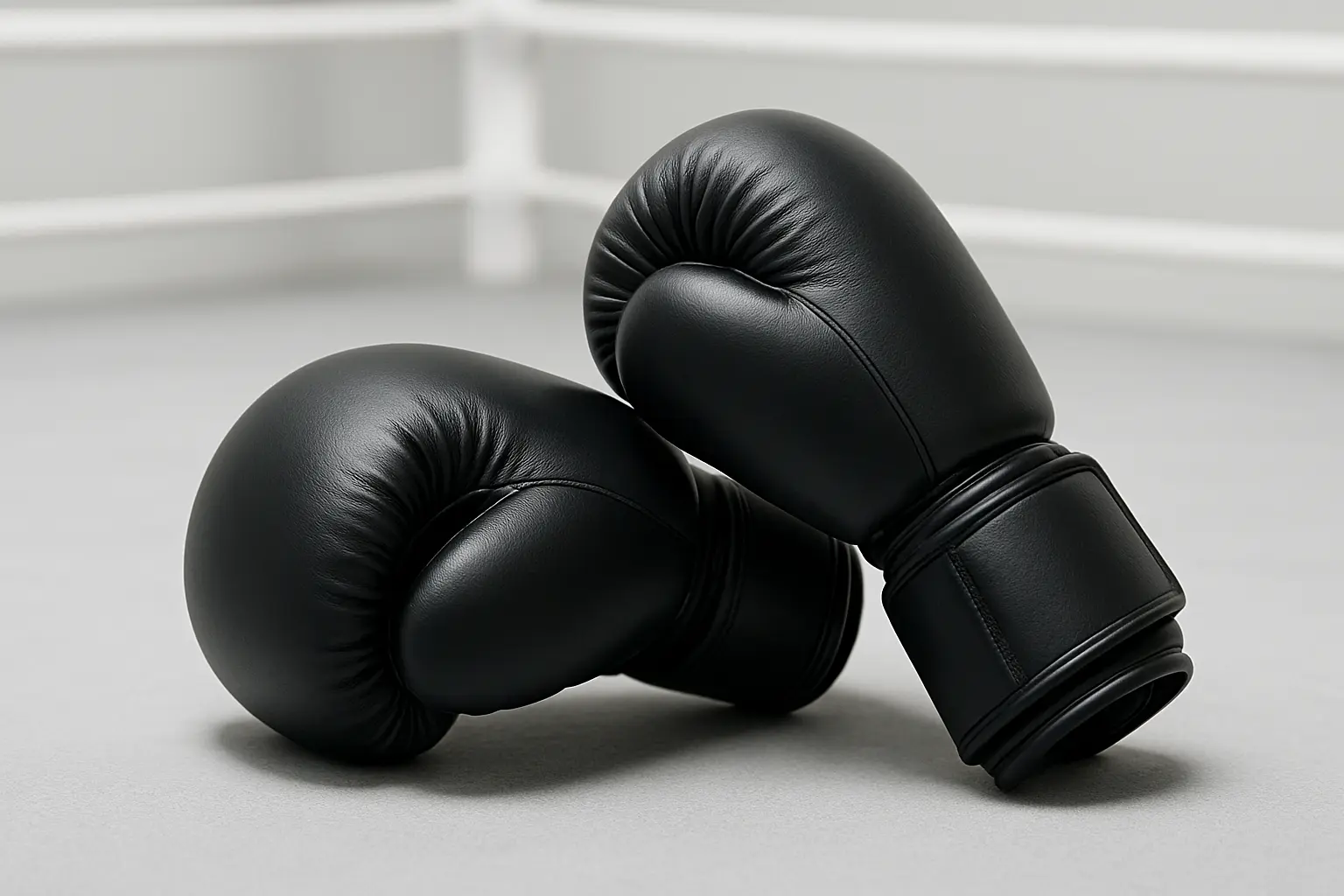
Choosing boxing gloves sounds simple until you see 10 oz, 12 oz, 14 oz, 16 oz, leather, synthetic, Velcro, lace-up, bag gloves, sparring gloves, and training gloves all at once. For beginners, the wrong pair can feel too loose, make your wrists unstable, or give you sore knuckles after a few heavy bag rounds.
This boxing glove buying guide will help you choose gloves based on how you actually train: heavy bag, pads, sparring, fitness boxing, or beginner classes. The goal is not to buy the most expensive glove, but to choose a pair that fits your hands, protects your wrists, and matches your training.
Quick Answer: What Boxing Gloves Should Beginners Choose?
Most beginners should start with 14 oz or 16 oz training gloves. They offer enough padding for bag work, pads, and beginner drills while giving better hand and wrist protection than lighter competition-style gloves.
If you only do fitness boxing, 12 oz or 14 oz may be enough. If you plan to spar, ask your coach first, but most gyms expect 14 oz or 16 oz sparring gloves.
Why Boxing Gloves Matter
- Absorb impact and reduce injury risk.
- Provide comfort during long training sessions.
- Improve performance and technique.
Glove Weight and Sizes (Oz)
Use this chart as your primary buying boxing gloves guide for selecting the correct weight:
| Weight Class | Recommended Gloves |
|---|---|
| Under 120 lbs (55 kg) | 10 oz |
| 120–150 lbs (55–68 kg) | 12 oz |
| 150–180 lbs (68–82 kg) | 14 oz |
| Over 180 lbs (82+ kg) | 16 oz |
Tip: Beginners usually start with 14 oz or 16 oz gloves for training, as they offer more protection.
For a more detailed breakdown of measurements, check out our Boxing Gloves Size Guide
How Boxing Gloves Should Fit
Boxing gloves should feel snug, but not painfully tight. Your hand should not slide around inside the glove, and your wrist should feel locked in when the glove is closed properly.
- Your fingers should sit naturally toward the top of the glove without being crushed.
- Your thumb should feel secure, not twisted or stretched.
- Your wrist should not bend backward easily when you make a fist.
- With hand wraps on, the glove should still close comfortably.
- If the glove feels loose without wraps, it will usually feel unstable during training.
Beginner mistake: many new boxers buy gloves that feel comfortable in the store but become too loose once they start hitting the bag. A slightly snug fit is usually better than a roomy glove that moves around.
Different Types of Boxing Gloves
1. Training Gloves
All-around gloves for beginners. Good balance between padding and flexibility. If you are looking for versatility, check the best Boxing Gloves for training
2. Sparring Gloves
Extra padding to protect both fighters. Usually 14–16 oz. See our top picks in the best Boxing Gloves for sparring
3. Bag Gloves
Designed for heavy bag work. More durable outer, slightly firmer padding for repeated impacts. We’ve tested the best Boxing Gloves for heavy bag work
4. Competition Gloves
Lighter (8–10 oz), used for official bouts only.
Best Boxing Gloves by Training Type
The best boxing gloves depend on what you actually do in training. A glove that feels good for fitness classes may not be ideal for hard sparring or repeated heavy bag rounds.
| Training Type | Recommended Glove | Typical Weight |
|---|---|---|
| Beginner classes | All-purpose training gloves | 14–16 oz |
| Heavy bag | Durable bag or training gloves | 12–16 oz |
| Sparring | Soft padded sparring gloves | 14–16 oz |
| Fitness boxing | Comfortable Velcro training gloves | 12–14 oz |
| Competition | Competition gloves only | 8–10 oz |
Materials: Leather vs. Synthetic
- Genuine Leather: Durable, breathable, premium feel, higher price.
- Synthetic (PU): Affordable, lighter, easier to clean, wears out faster.
For beginners, synthetic is fine. If you plan to train regularly, consider leather. If you are on a budget, you can find great options in our guide to the best Boxing Gloves under $100
Closure System: Velcro vs. Lace-Up
- Velcro: Quick on/off, great for solo training.
- Lace-Up: Superior wrist lock, but requires a partner to tie.
Top Brands to Consider
Most beginners do not need professional fight gloves right away. Instead, focus on brands that offer reliable wrist support, comfortable fit, and durable padding for regular training.
Hayabusa: known for structured wrist support and beginner-friendly training gloves like the Hayabusa S4.
Venum: a popular option for boxing and fitness training. The Venum Elite is often recommended for beginners who want a snug training feel without spending premium-level money.
Sanabul: one of the most beginner-friendly budget brands. The Sanabul Essential is a common starting point for fitness boxing and basic bag work.
Everlast: still one of the most recognized boxing brands worldwide, especially for recreational training and beginner gym use.
Curious about what elite fighters wear? Discover what boxing gloves pro boxers use.
Beginner-Friendly Boxing Glove Examples
If you are still unsure where to start, look for gloves that combine wrist support, medium padding, and easy Velcro closure. Beginners usually do not need pro fight gloves or expensive lace-up models.
- Sanabul Essential: a budget-friendly option for fitness boxing, light bag work, and first-time beginners.
- Venum Elite: a better mid-range choice if you want more structure and a snugger training feel.
- Hayabusa S4: a practical beginner glove with good wrist support for regular training.
For a full comparison, see our guide to the best boxing gloves for beginners.
Common Mistakes When Choosing Gloves
- Buying gloves that are too light for regular training.
- Ignoring wrist support and choosing only by brand or color.
- Using competition-style gloves for heavy bag work.
- Buying roomy gloves that slide around inside.
- Forgetting that hand wraps make the glove fit tighter.
- Using the same old gloves for years after the padding has broken down.
To make your investment last longer, read our guide on how to clean boxing gloves
Boxing Glove Buying Guide: FAQ
What size boxing gloves should beginners buy?
Most beginners should choose 14 oz or 16 oz gloves for general training. They offer more padding and wrist protection than lighter gloves.
Are 10 oz boxing gloves good for beginners?
Usually no. 10 oz gloves are lighter and often used for competition or pad work. Beginners are usually safer with 14 oz or 16 oz training gloves.
Should boxing gloves feel tight?
They should feel snug, not painful. Your hand should not move around inside the glove, especially when wearing hand wraps.
Can I use the same gloves for bag work and sparring?
You can as a beginner, but it is not ideal long term. Bag work breaks down padding faster, while sparring gloves should stay soft and protective for your partner.
Are expensive boxing gloves worth it?
They can be worth it if you train several times per week. More expensive gloves often have better wrist support, padding, durability, and comfort.
Do I need hand wraps with boxing gloves?
Yes. Hand wraps help protect your knuckles, wrists, and small hand bones. Gloves protect your hands, but they do not replace proper wrapping.
Final Tips
- Try on gloves if possible; check thumb position and wrist lock.
- Match glove weight to your training type (bag, sparring, general).
- Use hand wraps for extra protection. Learn about it in how to wrap your hands for boxing Article
Related Articles and Reviews
Check it now