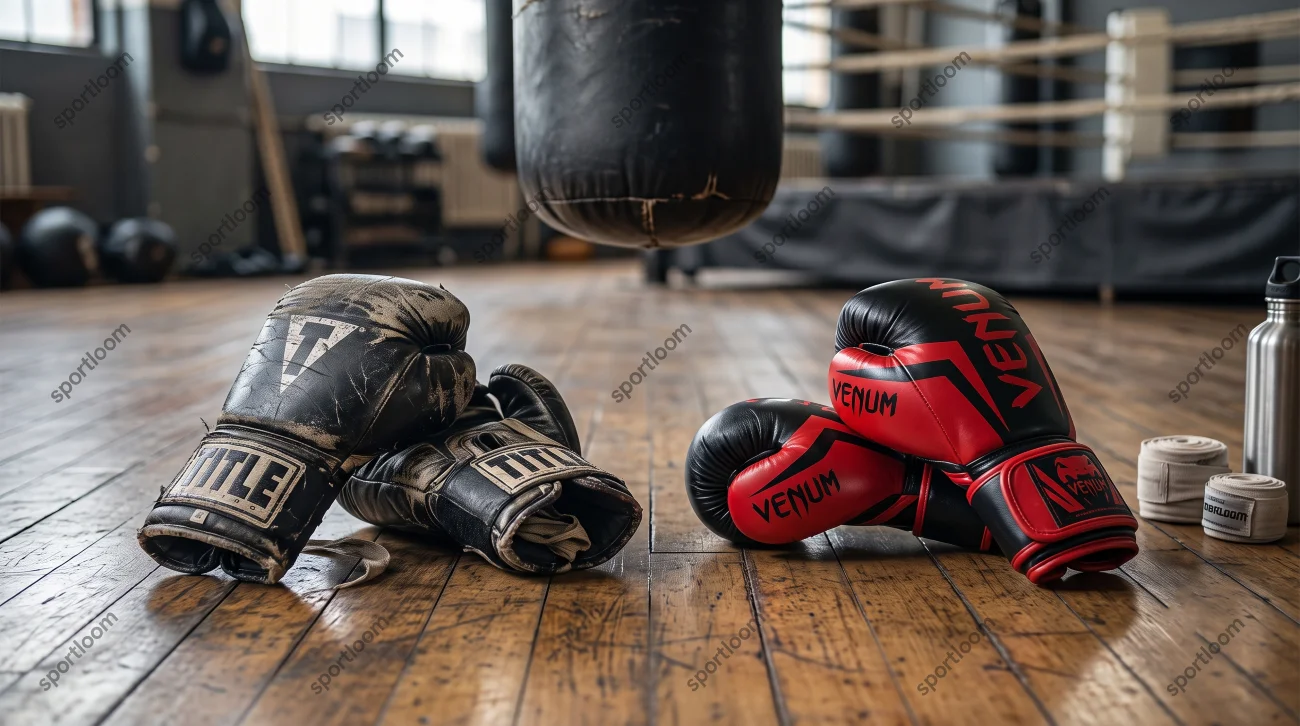
How Often Should You Replace Boxing Gloves?
Boxing gloves rarely fail all at once. Most pairs wear out slowly: the padding becomes flatter, the wrist closure stops holding as firmly, the lining stays damp longer, and punches begin to feel sharper through the knuckles.
That gradual change is why many beginners keep using gloves long after they should have been replaced. The outside may still look acceptable, but the part that actually protects your hands can already be worn down.
For most recreational boxers, a decent pair of training gloves lasts roughly one to three years. A boxer training hard several times per week may need to replace heavily used bag gloves every 6 to 18 months, while premium leather gloves used carefully can last longer.
The calendar is only a rough guide. Training frequency, punching power, glove quality, maintenance, and whether you use one pair for everything matter more than the purchase date.
This guide explains how often to replace boxing gloves, what worn-out padding actually feels like, and when cleaning or repairing a pair is no longer enough.
Quick Answer: When Should Boxing Gloves Be Replaced?
Replace boxing gloves when the padding no longer protects consistently, the glove loses its shape, the wrist closure becomes unreliable, or the interior cannot be kept hygienic. For many recreational boxers, that means every one to three years. Frequent heavy-bag users may wear out a pair in 6–18 months, while occasional users may get several years from good gloves.
Do not replace gloves only because the logo is peeling or the surface has cosmetic scuffs. More important warning signs are:
- Hard or noticeably thin knuckle padding
- Different protection between the left and right glove
- Sharp impact reaching the knuckles during normal punches
- A wrist strap that opens, stretches, or no longer stabilizes the wrist
- Torn lining, exposed foam, cracked seams, or loose thumb attachment
- A persistent smell or damp interior that cleaning cannot solve
- Sparring gloves that feel compacted or unusually firm to a partner
Typical Boxing Glove Lifespan by Training Use
These ranges are not guarantees, but they are useful starting points when checking your own equipment.
| Training pattern | Typical replacement range | What usually wears first |
|---|---|---|
| Occasional fitness boxing, 1 session per week | 2–4 years | Lining, odor control, synthetic exterior |
| Regular beginner training, 2–3 sessions per week | 1–3 years | Knuckle padding and wrist closure |
| Frequent heavy-bag work, 3–5 sessions per week | 6–18 months | Impact foam over the main knuckles |
| Dedicated sparring gloves used only for sparring | 1–3 years | Foam softness, shape, and exterior seams |
| Premium leather training gloves with good care | 2–5 years or longer | Padding eventually compresses before the leather fails |
| Cheap synthetic gloves used for everything | 6–18 months | Surface cracking, lining, Velcro, and foam |
A hard puncher can wear through bag-glove padding much faster than a beginner using the same pair for technical work. Likewise, a pair left closed in a gym bag after every session may become unusable from moisture and odor before the padding is completely dead.
The Most Important Sign: Worn or Compressed Padding
The real purpose of boxing gloves is not to look intact. It is to spread impact across the padded surface and keep the hand in a stable position.
With repeated bag work, the foam over the first two knuckles gradually compresses. At first the change is subtle. The glove may feel slightly denser or give more feedback. Later, punches start feeling sharp even when your technique and hand wraps have not changed.
How to Check the Knuckle Area
- Put on your normal hand wraps and both gloves.
- Press firmly over the main knuckle area with the thumb of your opposite hand.
- Compare the center of the striking surface with the surrounding foam.
- Compare the left glove with the right glove.
- Look for a hard channel, flat spot, soft collapse, or noticeably thinner area.
Some gloves naturally use dense padding, so firmness alone does not mean they are finished. The warning is a change from how the glove originally felt, especially when one area has become harder or thinner than the rest.
If your knuckles suddenly hurt on familiar bag combinations, stop blaming your hands immediately. Check your wraps, technique, bag density, and gloves. Continuing to punch through dead padding is not a sensible way to “toughen” the hands.
For more all-around options, see our best boxing gloves for training guide.
Replace Sparring Gloves Before They Become Hard
Sparring gloves deserve a stricter standard than bag gloves. A bag does not care whether your padding has become compacted. Your partner does.
Many beginners use one pair for the heavy bag, pads, drills, and sparring. That is understandable at first, but heavy-bag work repeatedly compresses the striking surface. A glove can still feel protective to the person wearing it while becoming noticeably harder for the person getting hit.
Ask your coach or sparring partner to feel the striking surface if you are unsure. Replace or retire the gloves from sparring when:
- The knuckle area has become firm and flat
- The foam shifts instead of staying evenly distributed
- The glove no longer returns to its original shape
- Stitching or leather around the striking area is damaged
- Your partner reports that normal technical shots feel unusually hard
Retiring a pair from sparring does not always mean throwing it away immediately. If the structure is still safe, it may have some life left for light bag drills. The reverse is not a good idea: a worn bag glove should not be promoted into sparring use.
A dedicated sparring pair costs more upfront, but separating gloves by purpose usually makes replacement decisions clearer and can extend the useful life of both pairs.
Wrist Support Can Wear Out Before the Padding
A glove does not need torn foam to become unsafe. The cuff and closure are part of the protective system.
Hook-and-loop straps gradually lose grip as lint, wrap fibers, and repeated pulling wear the surface. The wrist section may also soften and stop holding the hand in a stable position. Lace-up gloves can develop stretched eyelets, damaged laces, or weakened cuff structure.
Watch for these problems:
- The Velcro opens during rounds
- You must pull the strap far beyond its original position
- The wrist bends more easily inside the glove
- The cuff has folded or collapsed
- The glove rotates around the hand during hooks
Replacing a removable lace or cleaning Velcro may solve a small problem. A stretched, cracked, or collapsed wrist structure usually means the glove itself is near the end of its useful life.
Do Not Confuse Worn-Out Gloves With the Wrong Size
Sometimes a glove feels loose because the lining and foam have broken in. Sometimes it was simply too large from the beginning.
Your fingers should sit naturally, the knuckles should align with the padded striking surface, and the hand should not slide around after the wrist is secured. A glove that is too roomy can twist during impact and make the padding feel inconsistent even when it is not completely worn out.
The opposite problem also happens. Gloves that are too small can crush the fingertips, prevent a proper fist, and create pressure over the knuckles. Replacing them with another pair of the same incorrect size will not solve anything.
Check Your Boxing Glove Size
A correct size and training weight help the padding sit where it should instead of shifting around the hand.
Free Calculator
Find your boxing glove size
Enter your body weight, hand circumference, and main training goal. The result is a practical recommendation, not a medical or competition rule.
Enter your weight and hand circumference to see your recommended glove size.
You can also read our guide to how tight boxing gloves should fit before deciding that a nearly new pair needs replacement.
When Smell and Moisture Mean the Gloves Are Finished
Most boxing gloves smell at some point. That does not automatically mean they need replacing.
Fresh odor usually comes from sweat remaining inside a closed glove. Drying the gloves immediately, opening the wrist, wiping the lining, and using breathable glove deodorizers can improve the situation.
The problem becomes more serious when the lining stays damp, the smell returns immediately after cleaning, or the interior material begins flaking and sticking to the wraps. At that stage, moisture may be trapped deeper in the foam and lining.
Replace gloves for hygiene reasons when the inside cannot be dried properly, mold is visible, the lining is badly torn, or a persistent sour smell remains after repeated cleaning and airing.
Do not soak boxing gloves or put them in a washing machine unless the manufacturer specifically allows it. Saturating the foam can make drying harder and shorten the glove's life.
Leather vs Synthetic Gloves: Which Lasts Longer?
Good leather gloves often outlast inexpensive synthetic gloves, but material alone does not determine lifespan.
A premium exterior can still surround padding that has been flattened by thousands of bag punches. Conversely, a modest synthetic glove may remain usable for a casual boxer who trains once per week and dries it carefully.
Leather Gloves
- Usually resist cracking better when maintained properly
- Can soften and shape to the hand over time
- Often use stronger stitching and higher-quality linings
- Still need replacement when the internal foam is worn
Synthetic Gloves
- Often cost less and make sense for beginners
- Can crack or peel sooner, especially around flex points
- Quality varies widely between cheap PU and better engineered materials
- May be economical to replace if training is still occasional
Do not keep a premium glove only because it was expensive. Once protection or structure has failed, the original price is irrelevant.
How Training Frequency Changes Glove Lifespan
“How old are your gloves?” is less useful than “How many hard rounds have they done?”
Two boxers may both own one-year-old gloves. One trains once every weekend. The other hits a dense heavy bag five days per week. Their gloves are not remotely the same age in practical terms.
Training Once or Twice per Week
A well-made all-purpose pair can often last two years or more when the boxer uses moderate power, dries the gloves, and avoids wearing them outdoors or throwing them loose into the car.
Training Three or Four Times per Week
Inspect the padding and wrist every few months. At this level, using separate bag and sparring gloves starts making practical sense, not because beginners need a large gear collection, but because the two jobs wear gloves differently.
Training Almost Every Day
Frequent boxers should think of gloves as equipment with a service life. Rotating two pairs lets each one dry fully and makes changes in padding easier to notice. Dedicated bag gloves may need replacement yearly or even sooner depending on power and volume.
How to Make Boxing Gloves Last Longer
You cannot prevent foam from wearing forever, but you can avoid destroying gloves early.
- Use hand wraps. Wraps manage sweat, support the hand, and reduce direct friction inside the glove.
- Dry gloves immediately. Open the closure and remove them from the gym bag as soon as possible.
- Rotate pairs when training frequently. A glove that stays damp between sessions breaks down faster.
- Keep sparring gloves off the heavy bag. This preserves softer padding for partner work.
- Do not wear boxing gloves outdoors. Dirt, moisture, and abrasion damage the exterior and seams.
- Clean gently. Wipe surfaces rather than soaking the foam.
- Improve punching alignment. Repeatedly landing on the wrong part of the glove creates uneven wear and also stresses the hand.
New gloves that feel stiff are not necessarily defective. Some materials need a short break-in period. Our guide on how to break in boxing gloves explains how to do that without damaging the padding.
Should You Repair Boxing Gloves or Replace Them?
Small cosmetic repairs are reasonable. Structural repairs usually are not.
| Problem | Repair or replace? |
|---|---|
| Loose thread away from the striking surface | Repair may be possible |
| Dirty Velcro | Clean carefully first |
| Worn removable laces | Replace the laces |
| Small exterior scuff | Keep using if structure is sound |
| Exposed or displaced foam | Replace |
| Detached or damaged thumb | Replace |
| Hard, flat knuckle padding | Replace or retire from that use |
| Collapsed wrist support | Replace |
| Mold or permanently wet interior | Replace |
Tape around a damaged glove may keep material from flapping, but it does not restore impact protection. A repair that only hides the failure is not a real repair.
Common Mistakes When Deciding Whether to Replace Gloves
Replacing Them Only Because They Look Old
Faded color and peeling logos are mostly cosmetic. Inspect the foam, seams, thumb, closure, and lining before judging the pair.
Keeping Them Because the Exterior Still Looks Good
Premium leather can remain attractive after the internal padding has become too compacted. The outside is not a reliable measure of protection.
Using Pain as the Only Test
Hand pain may come from poor wrapping, incorrect fist position, a bag that is too hard, or the wrong glove fit. Check all of these. However, do not continue hitting simply to prove that the glove is still usable.
Using One Pair for Every Type of Training Forever
One pair is fine when you are starting. Once you spar regularly or do high-volume bag rounds, separating the two uses is usually the cleaner and safer approach.
Frequently Asked Questions
How often should beginners replace boxing gloves?
A beginner training two or three times per week may get one to three years from a decent pair. Replace them sooner if the padding becomes hard or uneven, the wrist support fails, or the lining cannot be kept hygienic.
How long do boxing gloves last on a heavy bag?
Frequently used bag gloves often last around 6–18 months, although premium construction, lighter punching volume, and good maintenance can extend that range. Inspect impact padding rather than relying only on age.
Can boxing gloves last five years?
Yes, especially premium gloves used occasionally and maintained well. However, five-year-old gloves are not automatically safe. Check whether the foam, wrist, thumb, seams, and lining still perform properly.
How do I know if boxing glove padding is worn out?
Look for flat or hard spots, uneven protection between gloves, foam that shifts, and sharper knuckle impact during normal punches. Compare the current feel with how the glove felt when newer.
Should I replace gloves if they smell?
Not immediately. Dry and clean them first. Replace the pair when the interior stays damp, mold appears, the lining breaks down, or strong odor returns despite repeated cleaning and ventilation.
Can I use old sparring gloves for bag work?
Sometimes. If the glove is no longer soft enough for sparring but the foam still protects your own hands evenly and the structure is intact, it may work for light bag drills. Do not use it if padding is thin, displaced, or exposing the knuckles.
Do expensive boxing gloves need replacing less often?
Often, but not always. Better materials and construction can extend lifespan, yet all foam compresses with enough impact. Training volume and care still matter more than price alone.
Should bag gloves and sparring gloves be replaced at the same time?
No. Replace each pair according to its condition. Bag gloves usually experience more concentrated impact wear, while sparring gloves should be retired as soon as their padding becomes too firm or unsafe for partners.
Final Verdict: Replace Gloves Based on Condition, Not Just Age
Most recreational boxers will replace training gloves every one to three years. Frequent heavy-bag users may need a new pair every 6–18 months, while well-maintained premium gloves can last longer.
The better rule is simple: replace boxing gloves when they stop doing their job. Hard or uneven padding, failed wrist support, structural damage, and an interior that cannot be cleaned are more important than cosmetic wear.
Check your gloves regularly, especially if training volume increases. A new pair costs less than months of irritated knuckles—and keeping worn bag gloves away from sparring partners is basic gym courtesy.
Related Articles and Reviews
Check it now