Boxing shoes for better grip, balance, and footwork.
Learn what makes boxing footwear different, how a secure fit should feel, whether wrestling shoes are a good alternative, and which options make sense for beginner and intermediate boxers.
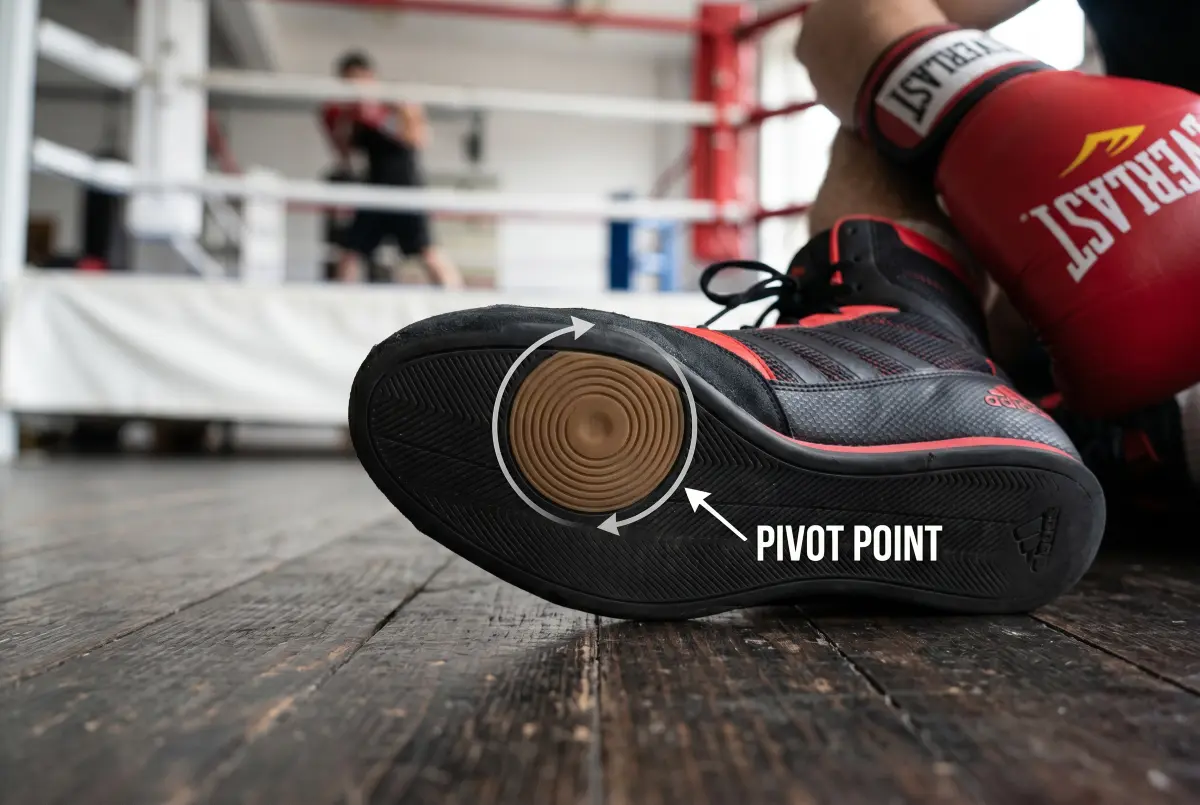
Choose the right path
Start with a buying guide, compare footwear types, browse beginner recommendations, or improve the footwork that makes boxing shoes valuable.
Best Shoes for Beginners
Start with practical boxing shoe recommendations that balance grip, support, comfort, and price.
Buying GuideHow to Choose Boxing Shoes
Understand sole grip, ankle height, fit, weight, and the features that actually matter in the gym.
ComparisonBoxing vs Wrestling Shoes
Compare traction, pivoting, support, durability, and whether wrestling shoes are good enough for boxing.
TrainingImprove Your Footwork
Learn the stance, balance, movement, and pivoting basics that make boxing footwear useful.
Boxing shoe reviews and guides
The newest Sportloom content about boxing footwear, fit, traction, training use, and buying decisions.
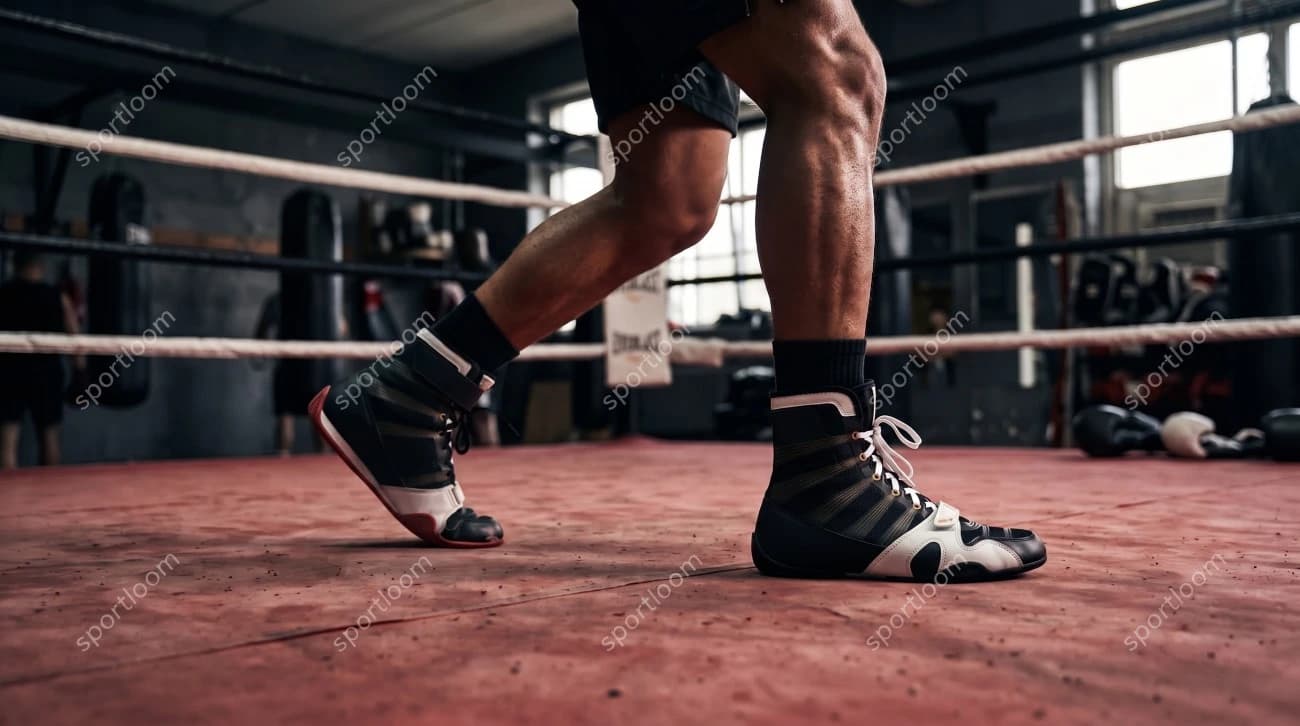
Best Boxing Shoe Brands
A practical guide to the boxing footwear brands worth considering, from beginner-friendly Adidas and Everlast to premium Nike and support-focused Hayabusa.
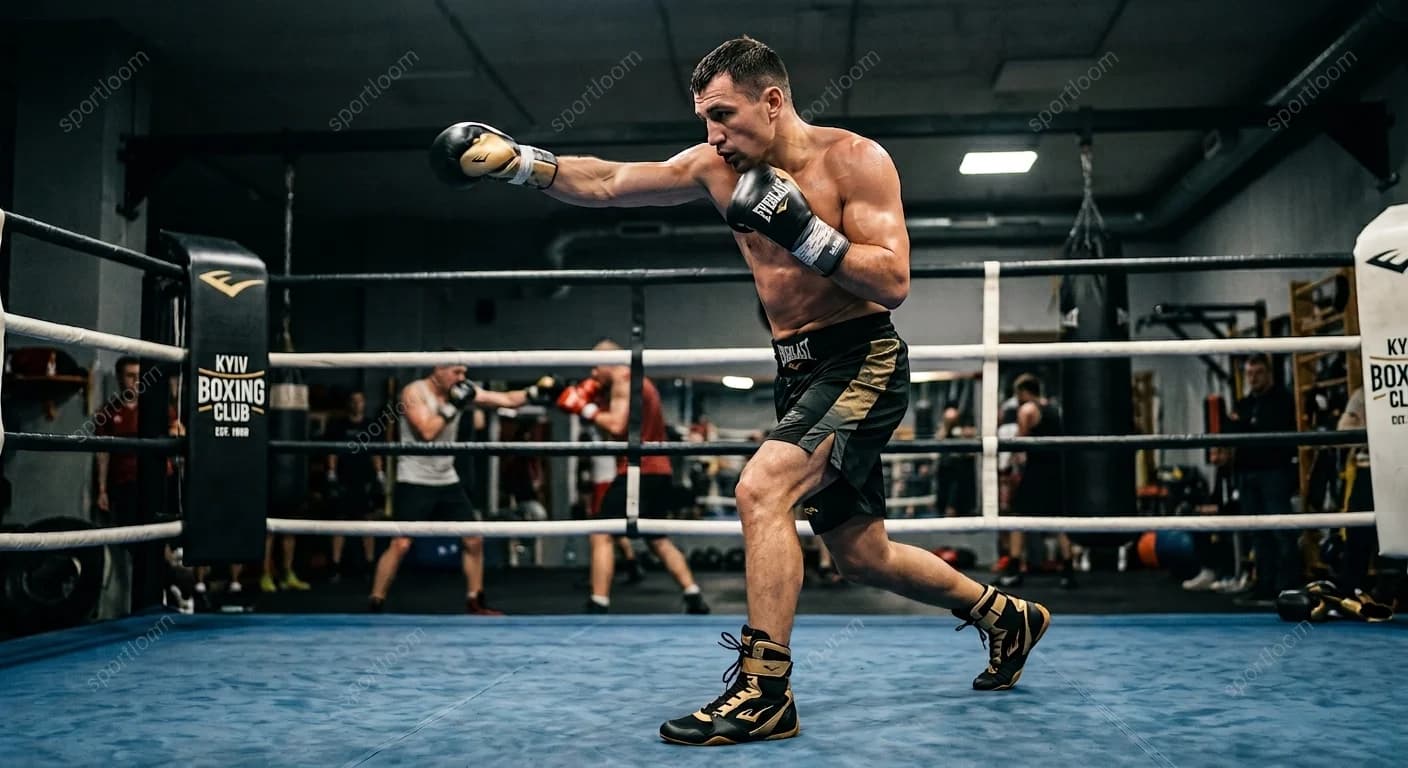
Best Boxing Shoes for Ankle Support
Supportive high-top and mid-top boxing shoes compared for heel lockdown, lateral stability, comfort, and real training use.
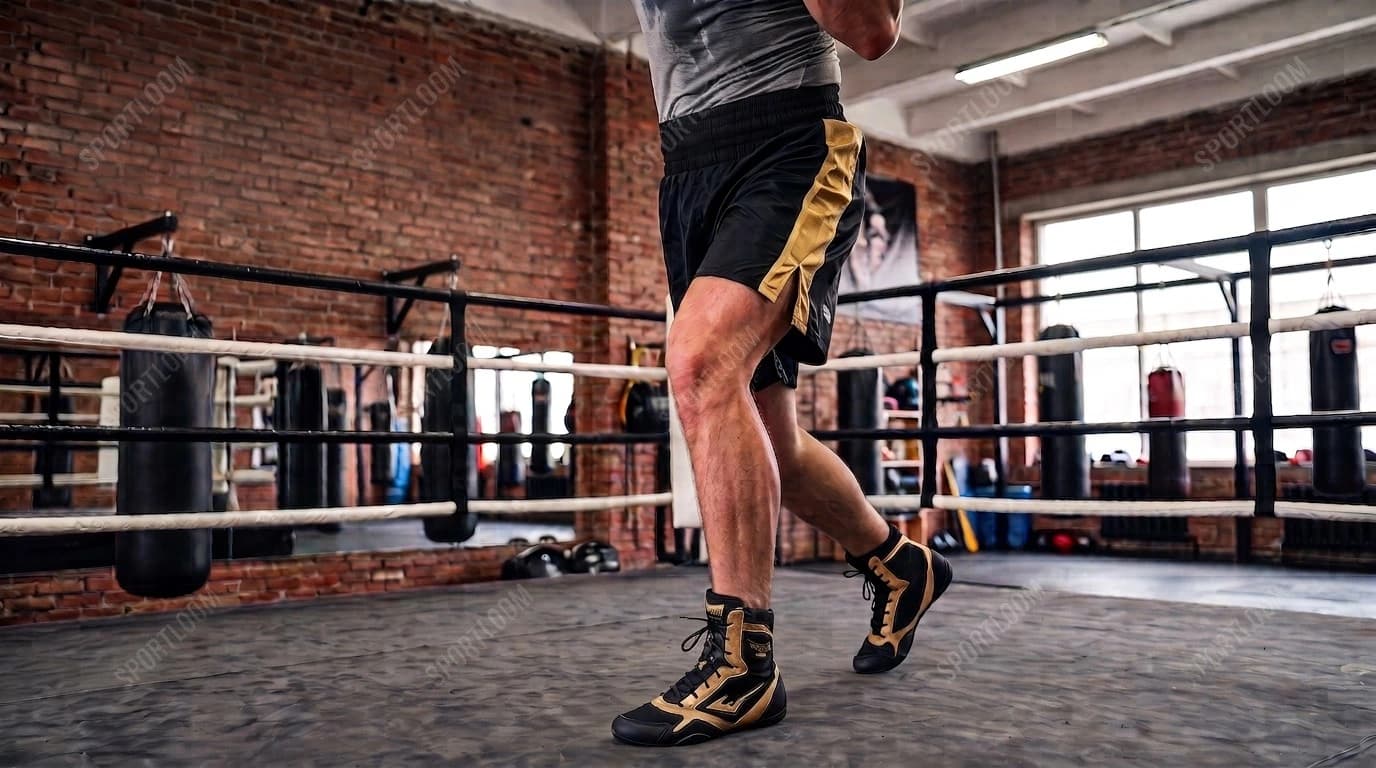
Best Boxing Shoes for Flat Feet
Stable, supportive boxing shoes for low arches, wide feet, orthotic users, and boxers who need better underfoot control.
How Often Should You Replace Boxing Shoes?
A practical guide to boxing shoe lifespan, wear signs, traction, fit, and knowing when a pair is actually ready to replace.
Best Lightweight Boxing Shoes
Light, breathable boxing shoes for faster footwork, clean pivots, and less bulk during training and sparring.
How Long Do Boxing Shoes Last?
A practical guide to boxing shoe lifespan, wear signs, training frequency, and when your shoes actually need replacing.
Boxing shoe reviews
Use-case recommendations for readers who are ready to compare options and buy the right pair.
Best Boxing Shoes for Ankle Support
Supportive high-top and mid-top boxing shoes compared for heel lockdown, lateral stability, comfort, and real training use.
ReviewBest Boxing Shoes for Flat Feet
Stable, supportive boxing shoes for low arches, wide feet, orthotic users, and boxers who need better underfoot control.
ReviewBest Lightweight Boxing Shoes
Light, breathable boxing shoes for faster footwork, clean pivots, and less bulk during training and sparring.
ReviewBest Boxing Shoes for Wide Feet
Wide-friendly boxing shoes and true wide crossover options for better comfort, secure footwork, and less toe pressure.
ReviewBest Boxing Shoes Under $100
Affordable boxing shoes for beginners, footwork training, sparring, and regular gym use.
ReviewBest Boxing Shoes for Beginners
A practical beginner-focused guide to boxing shoes for footwork, grip, support, comfort, and first-time training.
Boxing shoe guides
Understand fit, sole design, ankle support, traction, durability, and realistic gym use before choosing a pair.
Best Boxing Shoe Brands
A practical guide to the boxing footwear brands worth considering, from beginner-friendly Adidas and Everlast to premium Nike and support-focused Hayabusa.
GuideHow Often Should You Replace Boxing Shoes?
A practical guide to boxing shoe lifespan, wear signs, traction, fit, and knowing when a pair is actually ready to replace.
GuideHow Long Do Boxing Shoes Last?
A practical guide to boxing shoe lifespan, wear signs, training frequency, and when your shoes actually need replacing.
GuideCan You Use Running Shoes for Boxing?
When running shoes are acceptable for boxing, why they can limit footwork, and when beginners should switch to proper boxing shoes.
GuideHow Should Boxing Shoes Fit?
Learn how snug boxing shoes should feel, how much toe room you need, and how to spot a pair that is too small or too large.
GuideHow to Choose Boxing Shoes
Everything you need to know about picking your first pair of boxing boots. From ankle support to sole grip, we cover the essentials for new fighters.
Boxing shoe comparisons
Side-by-side guidance for readers deciding between different footwear types or final product choices.
High Top vs Low Top Boxing Shoes
A practical comparison of ankle support, mobility, comfort, fit, and the best boxing shoe height for your training style.
ComparisonBoxing Shoes vs Wrestling Shoes
A practical guide to traction, footwork, comfort, and choosing the right combat sports shoes for boxing training.
Boxing shoes FAQ
Practical answers to the questions beginners usually ask before buying boxing footwear.
Do beginners need boxing shoes?
Not for the first few sessions. Clean indoor athletic shoes can work while you learn the basics, but boxing shoes become useful when pivots, balance, lateral movement, and sparring become a regular part of training.
Can you use wrestling shoes for boxing?
Yes. Wrestling shoes are a common budget alternative because they are light, supportive, and grippy. Their traction can feel more aggressive during pivots, so dedicated boxing shoes usually provide smoother boxing-specific movement.
Should boxing shoes fit tight?
They should feel secure and close to the foot without crushing the toes or creating painful pressure points. Too much empty space allows the foot to slide during direction changes.
Are high-top boxing shoes better than low-top shoes?
High-tops provide a more supported and locked-in feel. Low-tops usually feel lighter and less restrictive. The better option depends on your ankle comfort, training style, and preference rather than one design being universally superior.
Can boxing shoes be used outside?
They can, but regular outdoor use wears down the thin outsole quickly and brings dirt onto the gym floor. Boxing shoes are best kept as indoor training footwear.
Choose shoes for the way you actually train
Boxing shoes do not improve technique by themselves, but the right pair can make good movement easier to repeat. A thin sole keeps you connected to the floor, a secure upper reduces sliding inside the shoe, and boxing-specific traction helps you push, stop, and pivot with more control.
Beginners often focus only on ankle height or appearance. Fit and outsole behavior usually matter more. A shoe that is too loose can feel unstable, while a sole that grips too aggressively may make pivots feel awkward. Your gym floor, foot shape, training frequency, and budget should guide the choice.
Start with the beginner recommendations when you need a shortlist. Read the choosing guide when you are unsure about fit and features. Use the comparisons when you are deciding whether a cheaper crossover shoe is enough or a dedicated boxing model makes more sense.