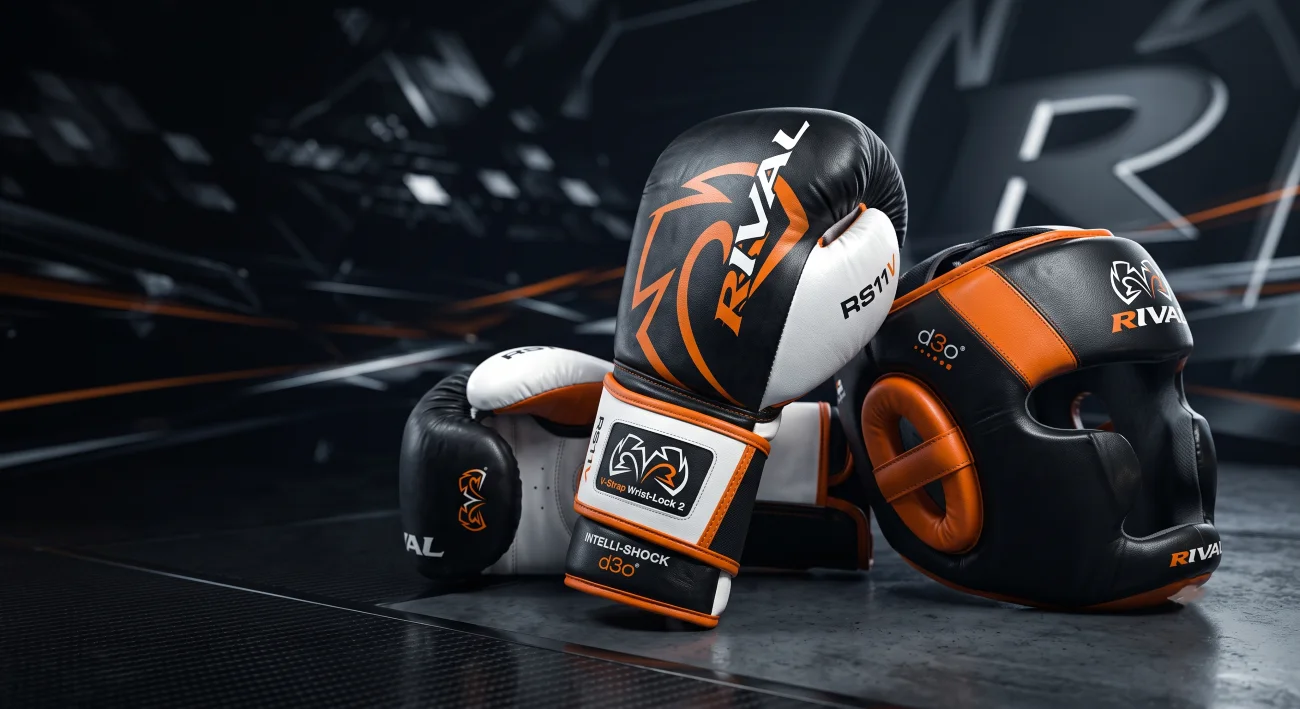
Rival Boxing Review: Is Rival a Good Boxing Brand?
Rival is a good boxing brand, especially for boxers who want equipment designed around a specific job rather than one generic glove for everything.
The company is best known for performance-focused boxing gloves with distinctive wrist systems, ergonomic hand positioning, and separate product families for bag work, sparring, training, and competition.
That specialization is also what makes Rival confusing for beginners.
A first-time buyer can see names such as RB, RS, RFX-Guerrero, Intelli-Shock, V-Strap, and Wrist Lock and reasonably wonder which glove is actually appropriate for normal gym training.
The important point is that Rival does not treat every boxing glove as interchangeable. Its bag gloves are generally made for pads and bags, while its sparring gloves are built around partner protection and controlled rounds. That sounds obvious, but many brands still market almost every model as an all-purpose training glove.
In this Rival boxing review, we will look at what made the brand relevant, which products define its reputation, where the lineup makes sense, and when another brand may be a better choice.
Quick Answer: Are Rival Boxing Gloves Worth It?
Rival boxing gloves are worth considering if you train consistently, care about wrist stability, and are willing to buy a glove for a specific purpose. Choose Rival for serious bag work, technical sparring, and a close performance-oriented fit. Look elsewhere if you want the cheapest possible first glove, a very soft roomy hand compartment, or one pair that must cover every type of training.
Rival makes the most sense for boxers who already understand how they train. A dedicated bag glove such as the RB11 can be an excellent investment for high-volume heavy bag work, while a model such as the RS11V belongs in sparring.
The brand is less straightforward for someone who has just joined a gym and does not yet know whether most sessions will involve bags, pads, drills, or sparring.
Rival Boxing Brand Overview
Rival Boxing Gear is a Canadian boxing company founded in 2003 by boxing trainer and cutman Russ Anber. The brand developed around a simple idea: boxing equipment should be designed by people who understand how it is actually used in gyms, corners, training camps, and fights.
That background helps explain why Rival has always felt more specialized than many mass-market combat sports brands.
Rival does not primarily sell a lifestyle image. Its identity is built around recognizable technical features:
- Angled and structured wrist cuffs
- V-Strap and Wrist Lock closure systems
- Ergonomic hand positioning
- Separate bag, sparring, training, and fight glove lines
- Modern microfiber and leather constructions
- Compact, performance-focused glove profiles
The result is a brand that appeals strongly to intermediate boxers, amateur competitors, coaches, and serious recreational athletes. Rival also produces headgear, shoes, protective equipment, apparel, and coaching gear, but gloves remain the clearest center of its reputation.
What Is Rival Best Known For?
Rival is best known for separating gloves by training purpose and designing unusually supportive wrist systems.
Many beginners assume a boxing glove is simply chosen by weight: 12 oz for the bag, 16 oz for sparring, and perhaps 14 oz for general training. Rival goes further. Its model families tell you what the glove is intended to do.
- RB models are primarily bag gloves.
- RS models are designed for sparring.
- RFX-Guerrero models sit closer to professional-style training and competition equipment.
- Other lines target fitness users, beginners, coaches, and specific training situations.
This matters because bag work and sparring ask different things from padding.
A bag glove can use denser foam and provide sharper feedback because its job is to protect the hand against equipment. A sparring glove should distribute impact more safely for a partner and usually needs a different padding feel.
Rival became respected because it did not pretend those two jobs were identical.
Why Is Rival Still Popular?
Rival remains relevant because its best products solve real training problems rather than relying only on heritage or celebrity association.
The most obvious example is wrist support. Many hook-and-loop gloves feel convenient but do not create the locked-in feeling of properly tied laces. Rival has repeatedly developed angled cuffs and layered strap systems to reduce that compromise.
The brand also gives experienced boxers something they appreciate: clear specialization.
When someone buys an RB11, they are not buying a vague “training glove.” They are buying a glove meant for repeated bag and mitt work. When someone buys an RS11V, the choice is built around sparring.
That clarity creates trust among people who train several times per week and already know what they need.
Rival also continues to look modern without becoming purely fashion-driven. Its gloves are visually distinctive, but the shapes, straps, padding systems, and model divisions are functional parts of the brand identity.
The Products That Define Rival Boxing
Rival RB11 Evolution: The Recognizable Bag Glove
The RB11 Evolution is one of the clearest examples of Rival's design philosophy. It is a dedicated bag glove with dense padding, a structured ergonomic shape, and the dual-angle V-Strap Wrist Lock 2 system.
Its purpose is not to be soft enough for friendly sparring. It is designed for boxers who spend serious time on heavy bags and punch mitts and want a secure wrist with a compact impact feel.
This is why the RB11 became recognizable. It addresses a common problem with ordinary Velcro gloves: the glove may feel secure around the hand but loose or flexible at the wrist once punches become harder.
The tradeoff is specialization. The RB11 is not the logical choice if you want one glove for both bag work and sparring. Its dense, power-transmitting construction belongs on equipment, not on a training partner.
For more dedicated bag options, compare it with the models in our guide to the best boxing bag gloves.
Rival RS11V: A Sparring-Focused Rival Classic
The RS11V is important because it shows the other side of Rival's lineup.
Where the RB11 is a bag specialist, the RS11V is intended for sparring. It uses a snug ergonomic fit, an angled cuff, and Rival's V-Strap closure to create more structure around the wrist than many simple hook-and-loop sparring gloves.
This model appeals to boxers who want a modern glove that feels connected to the hand rather than oversized or loose. It can be especially attractive if ordinary 16 oz gloves tend to shift during hooks or leave the wrist feeling unsupported.
Its main tradeoff is that the close fit and structured design will not suit every hand shape. Boxers with very wide hands or thick wraps may need to pay closer attention to sizing and break-in.
You can compare its fit and training role directly in our Rival RS11V vs Hayabusa T3 comparison.
RFX-Guerrero: Rival's Professional-Style Identity
The RFX-Guerrero family represents Rival's more professional and fight-oriented side.
These gloves are known for a slimmer profile, premium construction, and a more precise punch feel than bulky beginner gloves. Depending on the exact version, the line includes fight, bag, and sparring-oriented designs.
The appeal is clear for advanced boxers: the glove feels purposeful and performance-driven. The downside is that beginners can easily buy the wrong Guerrero model because similar naming may hide major differences in padding and intended use.
A professional-style bag glove is not automatically a good sparring glove, and a competition glove is not a sensible everyday training choice simply because professionals use it.
That distinction is central to buying Rival correctly.
How Do Rival Boxing Gloves Fit?
Rival gloves are generally associated with a close, ergonomic, performance-oriented fit. However, the exact hand compartment changes by model, size, and purpose.
Many Rival gloves feel more structured than soft beginner gloves. The wrist may sit at a noticeable angle, the cuff can feel firm, and the hand compartment may guide the fist into a defined position.
For some boxers, this feels excellent. The glove does not move independently from the hand, and the wrist feels more connected during straight punches and hooks.
For others, especially people with wide palms, thick fingers, or bulky hand wraps, that same structure can feel restrictive.
Before choosing an ounce weight only, think about three separate questions:
- Is the model intended for bag work, sparring, or competition?
- Does your hand shape need a compact or roomy compartment?
- Will you wear full-length wraps inside the glove?
For more help, read how tight boxing gloves should fit. A glove should feel secure, but numb fingers, painful knuckle pressure, or an inability to make a natural fist are not signs of a “professional fit.”
Choose the Right Glove Weight Before You Choose the Model
Rival's specialized lineup works only when the glove weight also matches the job.
A boxer may love the shape of a glove and still choose the wrong size for body weight, training type, or gym rules. This is particularly common with sparring gloves, where many gyms require 16 oz or another coach-approved weight.
Use the calculator below as a practical starting point, then confirm sparring requirements with your coach.
Free Calculator
Find your boxing glove size
Enter your body weight, hand circumference, and main training goal. The result is a practical recommendation, not a medical or competition rule.
Enter your weight and hand circumference to see your recommended glove size.
For a fuller explanation of ounces, body weight, and training use, see our boxing gloves size guide.
Does Rival Have Any Clear Limitations?
Rival's main limitation is not that the brand lacks respected products. The problem is that its lineup can be too specialized and expensive for a first-time buyer.
The Naming System Can Confuse Beginners
Rival has many model codes, closure systems, padding variations, and product families. Once you understand RB for bag gloves and RS for sparring gloves, the system becomes more logical. Before that, it can feel like reading equipment specifications rather than buying a simple pair of gloves.
The Best-Known Models Are Not Budget Gloves
Rival does offer more accessible products, but the models that define the brand usually sit above entry-level pricing. A beginner who trains once per week may not immediately benefit from paying for a highly specialized bag glove and a separate sparring glove.
A Purpose-Built Glove Is Less Versatile
The RB11 is strong because it is a bag glove. That also means it should not become your sparring glove. Rival's specialization may lead serious boxers toward a two-glove setup earlier than brands built around general-purpose training gloves.
Fit Is Not Universal
The ergonomic shape and secure cuff are selling points, but not every hand will respond the same way. Wide-handed boxers should not assume that a premium glove automatically provides a better fit.
These limitations do not make Rival poor value. They mean the brand is easiest to appreciate when you know your training purpose, preferred fit, and budget.
Who Is Rival Really For?
Rival is particularly well suited to boxers who train regularly and notice details that casual users may ignore.
Rival makes sense if:
- You want a dedicated bag glove rather than using sparring gloves on the heavy bag.
- You value firm wrist support from a hook-and-loop closure.
- You prefer a close ergonomic hand position.
- You train several times per week.
- You are preparing for amateur competition or regular sparring.
- You are comfortable choosing equipment by purpose instead of buying one universal glove.
The brand can also suit ambitious beginners, but only when a coach or an experienced buyer helps identify the correct model.
Who Should Consider Another Brand?
Rival may not be the most practical starting point for every boxer.
Consider another option if:
- You need the lowest-cost beginner glove.
- You want one inexpensive pair for occasional fitness classes.
- You strongly prefer a roomy, soft hand compartment.
- You do not yet know whether you will continue boxing.
- You want a traditional leather glove with a simple lace-up or standard Velcro construction.
Hayabusa may appeal to buyers who want a more obvious all-around training product with strong wrist support. Winning is a premium alternative for boxers prioritizing soft protective padding. Cleto Reyes suits those who prefer a traditional Mexican-style identity and firmer punch feedback.
For budget-conscious buyers, start with our guide to the best boxing gloves for beginners rather than forcing a premium brand into a limited budget.
Which Rival Product Should You Start With?
For Heavy Bag Training
Start with a dedicated RB-series bag glove. The RB11 Evolution is the recognizable premium choice when wrist support and frequent bag work are priorities.
For Regular Sparring
Choose an RS-series sparring glove in the weight required by your gym. The RS11V is a strong option for boxers who want a snug fit and structured wrist support.
For Advanced or Professional-Style Training
Look at the exact RFX-Guerrero version carefully. Do not buy by product family alone; confirm whether the glove is made for the bag, sparring, or competition.
For a Complete Beginner
Ask your coach what most sessions involve. If you need only one glove at first, a simpler all-purpose training model may be more practical than buying Rival's most specialized flagship product immediately.
Rival Boxing Gloves Buying Guide
1. Start With Training Purpose
Do not start with color, price, or the glove used by a professional boxer. Decide whether the glove is primarily for bags, pads, sparring, or competition.
2. Confirm the Exact Model Family
Rival names often look similar. Read the complete product name and intended use. “Guerrero” alone is not enough information.
3. Check Your Gym's Sparring Rules
Many gyms require a specific glove weight and may reject dense bag gloves for partner work. Ask before buying.
4. Allow for Hand Wraps
Try to evaluate fit with the wraps you normally use. A glove that feels perfect on a bare hand may become too tight once properly wrapped.
5. Do Not Use One Pair for Everything Forever
Beginners often start with one glove, which is reasonable. As training volume increases, separating bag gloves from sparring gloves protects the sparring padding and gives each glove a clearer role.
Rival Boxing FAQ
Is Rival a good boxing brand?
Yes. Rival is a respected boxing-focused brand known for specialized gloves, ergonomic shapes, and supportive wrist systems. It is particularly strong in bag gloves, sparring gloves, and professional-style equipment.
Are Rival boxing gloves worth the money?
They are usually worth it for boxers who train consistently and choose the correct model for its intended purpose. They may be unnecessary for someone doing occasional fitness boxing on a very limited budget.
Which Rival gloves are best for heavy bag training?
The RB series is designed for bag work. The RB11 Evolution is one of Rival's best-known premium bag gloves because of its dense padding and structured V-Strap wrist system.
Which Rival gloves are best for sparring?
The RS series is intended for sparring. The RS11V is a recognizable choice for boxers who want a snug ergonomic fit and strong hook-and-loop wrist support.
Can I spar with Rival bag gloves?
No. Dedicated Rival bag gloves use padding designed for equipment work and may be too dense for safe partner training. Use a proper sparring glove approved by your coach.
Do Rival gloves fit tight?
Many Rival models have a close, structured fit, but the hand compartment varies by model. Wide hands, thick wraps, and finger length should be considered before choosing.
Is Rival good for beginners?
Yes, but beginners need to choose carefully. Rival's lineup is specialized, so a coach should help determine whether a bag, sparring, or general training glove is required.
Where is Rival Boxing from?
Rival is a Canadian boxing brand founded in 2003 by trainer and cutman Russ Anber. The company built its reputation around equipment designed specifically for boxing.
Is Rival better than Hayabusa?
Neither brand is universally better. Rival is stronger for buyers who want specialized bag and sparring models, while Hayabusa often appeals to people seeking a modern all-around training glove with strong wrist support.
Final Verdict: Is Rival Worth Buying?
Rival is one of the more meaningful modern boxing brands because its reputation is tied to specific products and practical design decisions.
The RB11 helped define Rival's identity in bag gloves. The RS11V shows how the same brand approaches sparring differently. The RFX-Guerrero line gives advanced boxers professional-style options with a narrower and more specialized purpose.
Choose Rival if you want a glove designed around the exact work you do, value wrist structure, and prefer a close performance-focused fit.
Choose another brand if you need the cheapest first glove, want a very roomy fit, or prefer one simple pair for occasional training.
The best Rival product is not the most expensive model. It is the model whose intended use matches your actual training.
Related Articles and Reviews
Check it now