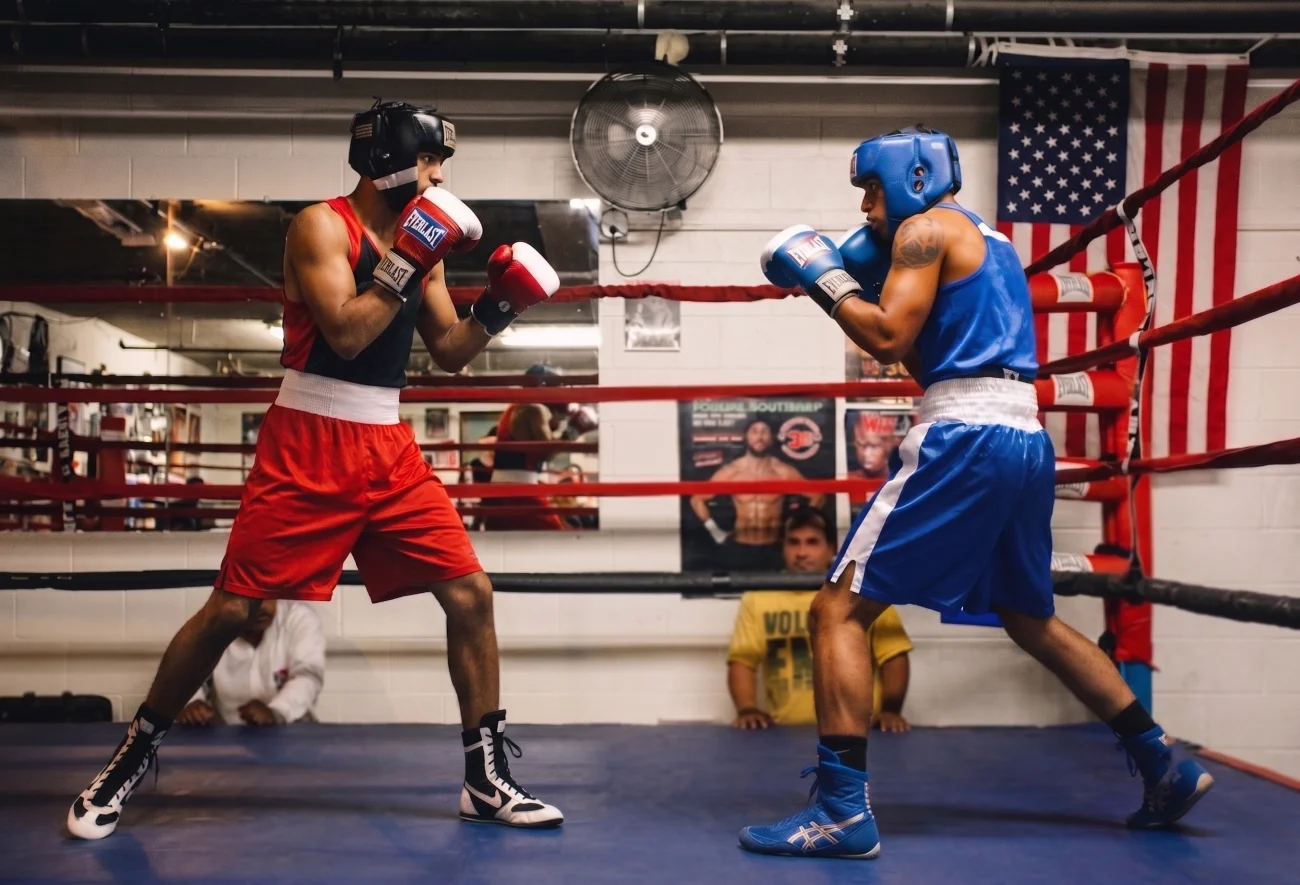
High Top vs Low Top Boxing Shoes: Which Is Better?
High top and low top boxing shoes can look like two versions of the same product, but they feel noticeably different once you start moving, pivoting, and training for several rounds.
High tops wrap farther up the ankle and usually create a more secure, supported feeling. Low tops leave more of the ankle free, feel easier to put on, and often suit boxers who prefer quick, unrestricted movement.
The mistake is assuming that more ankle coverage automatically means better protection, or that a lower shoe automatically makes you faster. The upper height matters, but the outsole, fit, lacing, weight, and your own ankle control matter just as much.
This high top vs low top boxing shoes comparison explains the practical differences, who each style suits, and how to choose without overthinking it. If you are still deciding what features matter overall, start with our guide on how to choose boxing shoes.
Quick Answer
Choose high top boxing shoes if you prefer a locked-in feel, want more material around the ankle, train hard several times per week, or feel more confident in a structured boot. Choose low top boxing shoes if you prioritize freedom around the ankle, fast transitions, easier on-and-off use, and a lighter, less restrictive feel.
Neither style is universally better. High tops usually feel more supportive, while low tops usually feel more mobile. A well-fitting low top can be more stable than a loose high top, and a lightweight high top can still feel fast.
- Best for beginners who want reassurance: high tops
- Best for maximum ankle freedom: low tops
- Best for long, demanding gym sessions: usually high tops
- Best for quick fitness sessions and easy changing: low tops
- Best for competition: whichever fits securely and supports your natural movement
High Top vs Low Top Boxing Shoes Comparison
| Feature | High Top Boxing Shoes | Low Top Boxing Shoes |
|---|---|---|
| Ankle coverage | Extends above the ankle | Sits below or close to the ankle |
| Support feel | More wrapped and secure | More open and flexible |
| Freedom of movement | Slightly more structured | Usually less restrictive |
| Weight | Often slightly heavier | Often slightly lighter |
| Putting them on | Slower, especially with tall lacing | Faster and easier |
| Best for | Regular training, boxers who like a locked-in fit | Agile movement, casual training, boxers who dislike tall collars |
| Main drawback | Can feel hot or restrictive | Less material around the ankle |
| Injury prevention | May improve confidence and limit excess movement, but cannot prevent all injuries | Relies more on fit, strength, balance, and control |
What Shoe Height Actually Changes
The height of a boxing shoe mainly changes how the upper wraps around your ankle. It does not completely change the outsole or magically create good balance.
A high top can make the ankle feel contained because the laces and upper continue above the ankle joint. This can reduce the loose, exposed feeling some beginners experience when they first start moving in thin boxing soles.
A low top removes that extra material. The ankle can flex more freely, and there is less collar pressure during deep movement, pivots, and changes of direction. Boxers who already have good ankle stability often enjoy that freedom.
What usually happens is that beginners focus only on collar height and ignore the more important details: heel hold, forefoot width, sole grip, and whether the foot slides inside the shoe. If your heel lifts or your forefoot moves around, the shoe will feel unstable regardless of how high it reaches.
Do High Top Boxing Shoes Give Better Ankle Support?
High tops generally provide a stronger sensation of ankle support because they wrap and lace higher. That extra structure can help the shoe feel connected to the lower leg.
However, support should not be confused with complete injury prevention. Boxing shoes are lightweight performance footwear, not rigid medical braces. A high collar cannot compensate for poor balance, weak ankles, bad foot placement, or training on an unsuitable surface.
The practical benefit is confidence. A beginner who feels unstable in ordinary sneakers may feel much more controlled in a properly fitted high top. That can make it easier to practice stance, short steps, and pivots without constantly thinking about the shoe.
High tops are often a sensible choice if:
- You have previously rolled an ankle and prefer more structure.
- You are heavier and want a more planted, locked-in feel.
- You train several demanding sessions per week.
- Your style involves frequent pressure, close-range movement, and hard changes of direction.
- You simply feel more confident with the ankle covered.
Still, a shoe should never create painful pressure or force your ankle into an unnatural position. More material is useful only when the fit is right.
Are Low Top Boxing Shoes Faster?
Low tops often feel faster because there is less material around the ankle and usually less effort required to flex the foot. That feeling can be especially noticeable when bouncing, circling, or moving in and out quickly.
But shoe height alone does not determine speed. The weight of the shoe, outsole pattern, forefoot flexibility, and fit all influence how responsive it feels.
A loose low top can feel slower than a snug high top because your foot wastes movement inside the shoe. Likewise, a high top with a light upper and flexible sole can feel extremely quick.
Low tops make the most sense for boxers who dislike pressure around the ankle, already trust their balance, or want a shoe that feels closer to a lightweight court shoe while still providing a boxing-specific sole.
They are also convenient for mixed gym sessions. If you move between boxing drills, strength work, and short technical rounds, a low top is easier to remove and less cumbersome in the changing room.
Footwork and Pivoting Differences
For boxing footwork, the quality of the sole matters more than the height of the upper. Both high top and low top boxing shoes can pivot well when the outsole gives controlled traction.
The difference is how the ankle feels during that pivot. A high top creates a more connected sensation between foot and lower leg. A low top allows more natural ankle articulation.
Neither sensation is automatically correct. Some boxers feel cleaner and more balanced when the shoe holds everything tightly. Others feel restricted and prefer the ankle to move without collar resistance.
If this sounds familiar, pay attention during basic drills rather than judging the shoe while standing still. Test your stance, step-drag movement, lead-foot pivot, rear-foot rotation, and lateral exits. A good boxing shoe should stay attached to your foot without pinching or making the sole feel stuck.
For help developing the movement itself, see our basic boxing footwork guide for beginners and boxing stance guide.
A Practical High Top Example
A high top is useful when you want the shoe to feel like part of your lower leg rather than a minimal layer around the foot. This can be reassuring during hard bag rounds, sparring, and repeated lateral movement.
This type of shoe makes the most sense when stability and a secure training feel matter more than the fastest possible on-and-off convenience. For more options at different price points, see our guide to the best boxing shoes for beginners.
Comfort, Heat, and Fit
High Top Comfort
High tops can feel comfortable because they distribute tension over a larger area. When laced properly, the foot and ankle feel secure without needing to overtighten one small section.
The downside is heat and friction. A tall upper covers more skin, and the collar may rub if you wear very short socks or if the shoe shape does not match your ankle.
Low Top Comfort
Low tops feel cooler and less restrictive around the ankle. They are often more comfortable for boxers who hate tight collars or have prominent ankle bones.
The tradeoff is that heel hold becomes especially important. Since there is less upper material, the shoe must fit securely around the heel and midfoot. If the heel lifts, do not assume tighter laces will solve everything; the model may simply be the wrong shape.
Fit Matters More Than Height
Many beginners buy a boxing shoe one full size too large because they expect running-shoe comfort. Boxing shoes should usually feel snug, but not painfully narrow or numb.
Your toes need enough room to stay flat, your heel should remain planted, and the upper should hold the midfoot without cutting circulation. If one style fits your foot shape much better, choose that style even if the other looks more appropriate on paper.
A Practical Low Top Example
A low top can be a better option when you want a light, responsive shoe without a tall collar. It works particularly well for boxers who already feel stable and want fewer restrictions around the ankle.
The lower profile is not automatically less serious or less suitable for boxing. It is simply a different balance between structure and freedom.
Training vs Competition Use
For ordinary gym training, both styles work. The best choice is the one you can wear consistently without pain, slipping, or distraction.
High tops often appeal to boxers who spend long sessions on pads, the heavy bag, technical drills, and sparring. The secure upper can feel reassuring as fatigue builds and foot placement becomes less precise.
Low tops often appeal to boxers who value agility and minimalism. They can feel especially natural for fast technical work, short amateur-style rounds, and movement-heavy sessions.
For amateur competition, do not switch shoe style immediately before a bout. Use the same pair during training so you understand its grip, pressure points, and lacing. A shoe that feels impressive for five minutes can become distracting after several hard rounds.
Practical rule: competition footwear should feel familiar, not new. Break it in during technical training first, then use it for harder rounds once you know the fit is reliable.
Common Beginner Mistakes
Choosing Height Instead of Fit
A beginner may decide that high tops are safer and buy the first tall model available. If that shoe is too narrow, too long, or loose at the heel, the extra height will not rescue the fit.
Overtightening High Tops
Tall lacing tempts people to pull every section as tight as possible. This can create numbness, restrict natural ankle movement, and make the shoe uncomfortable before the session is over.
Expecting Low Tops to Create Speed
Low tops may feel freer, but they do not replace footwork practice. Faster movement comes from balance, timing, efficient steps, and staying relaxed.
Using Boxing Shoes Outside
Thin boxing soles wear quickly on pavement. Whichever height you choose, carry the shoes to the gym and use them only on clean indoor surfaces.
Ignoring the Rest of the Setup
Shoes improve traction and movement, but they are only one part of a safe setup. Gloves still need to match the session, especially when moving from technique work to harder bag rounds or sparring.
Match Your Shoes to the Type of Training
A stable shoe helps you transfer force, but harder punches also increase what your hands and wrists absorb. If your sessions include heavy bag work, a supportive glove is more important than choosing high or low tops based only on appearance.
For other dedicated options, compare our best boxing gloves for heavy bag training.
Sparring creates a different need. Footwear should let you move safely around a partner, while the gloves should provide a suitable weight and padding profile for controlled contact.
You can compare more partner-friendly choices in our guide to the best boxing gloves for sparring.
High Top Boxing Shoes Pros and Cons
Pros
- More material and lacing around the ankle
- Secure, connected feel during hard movement
- Often reassuring for beginners
- Useful for regular, demanding training
- Can reduce the sensation of the ankle moving inside the shoe
Cons
- Slower to put on and remove
- Can feel hotter
- May rub or restrict some ankle shapes
- Often slightly heavier
- Extra height does not fix poor sizing
Low Top Boxing Shoes Pros and Cons
Pros
- More freedom around the ankle
- Usually easier to put on
- Often lighter and cooler
- Good for agile, movement-focused boxing
- Comfortable for boxers who dislike tall collars
Cons
- Less material around the ankle
- Heel fit must be especially secure
- May feel less reassuring to a new boxer
- Does not provide the same wrapped sensation as a high top
- Freedom of movement can expose poor ankle control
Which Style Should You Choose?
Choose High Tops If
- You are a beginner and prefer a secure, supported feeling.
- You train hard several times per week.
- You have a pressure-based style and want a locked-in shoe.
- You are comfortable spending extra time lacing your shoes.
- You have tried low tops and felt too exposed around the ankle.
Choose Low Tops If
- You prioritize ankle freedom and easy movement.
- You dislike tall collars or pressure around the lower leg.
- You want a shoe that is quick to put on and remove.
- You already have good balance and ankle control.
- You prefer a lightweight, minimal feel.
For Beginners
A high top is the safer default recommendation for many beginners because the fit feels reassuring. But do not force yourself into a high top if it pinches or limits movement. A secure low top is still a proper boxing shoe and can be the better choice for your foot.
For Heavy Training
High tops often work well for repeated weekly sessions because they create a structured fit. Durability depends on the model, though, not merely the height.
For Fast Footwork
Low tops usually provide the freer sensation many movement-focused boxers prefer. Still, outsole grip and forefoot flexibility matter more than the collar alone.
For Fitness Boxing
Low tops are convenient and often sufficient for short classes, bag work, and general fitness boxing. High tops can still be worthwhile if you want more structure or plan to progress into sparring.
Final Verdict
The high top vs low top boxing shoes decision is mostly about support feel versus freedom.
Choose high tops when you want the shoe to wrap the ankle, feel secure during demanding sessions, and provide a more traditional boxing-boot experience.
Choose low tops when you want easier ankle movement, a lighter feel, and less material around the lower leg.
Do not treat either style as an automatic upgrade. The better shoe is the one that holds your heel, fits your forefoot, grips the training surface without sticking, and lets you complete rounds without thinking about your feet.
Simple recommendation: beginners who are unsure can start with a comfortable high top. Boxers who already know they dislike ankle restriction should choose a well-fitted low top.
Compare High Top and Low Top Options
Both styles can work well. Choose based on fit, ankle feel, and how you train.
Frequently Asked Questions
Are high top boxing shoes better than low tops?
High tops are better for boxers who prefer more ankle coverage and a locked-in feel. Low tops are better for boxers who prioritize freedom, lightness, and easy movement. Neither is universally superior.
Do high top boxing shoes prevent ankle injuries?
They can provide more structure and confidence, but they cannot prevent every ankle injury. Proper fit, ankle strength, balance, technique, and a suitable training surface remain important.
Are low top boxing shoes good for beginners?
Yes. A low top is suitable for beginners when it fits securely and the boxer feels stable. Beginners who want more reassurance may prefer starting with a high top.
Do low top boxing shoes make you faster?
They may feel less restrictive, but they do not automatically make footwork faster. Speed depends more on balance, technique, shoe weight, outsole design, and fit.
Should boxing shoes fit tight?
Boxing shoes should fit snugly enough to prevent heel lift and internal sliding, but they should not crush the toes, cause numbness, or create painful pressure.
Can I use high top boxing shoes for heavy bag training?
Yes. High tops are commonly used for heavy bag work because they can feel stable during pivots and forceful combinations. Low tops also work when their grip and fit are appropriate.
What boxing shoe height do amateur fighters use?
Amateur fighters use both high top and low top designs. The right choice depends on the athlete's preference, fit, movement style, and what has already worked reliably in training.
Can I wear boxing shoes outside?
It is better not to. Boxing soles are thin and designed for indoor gym floors and ring canvas. Outdoor use can wear the outsole quickly and bring dirt onto the training surface.