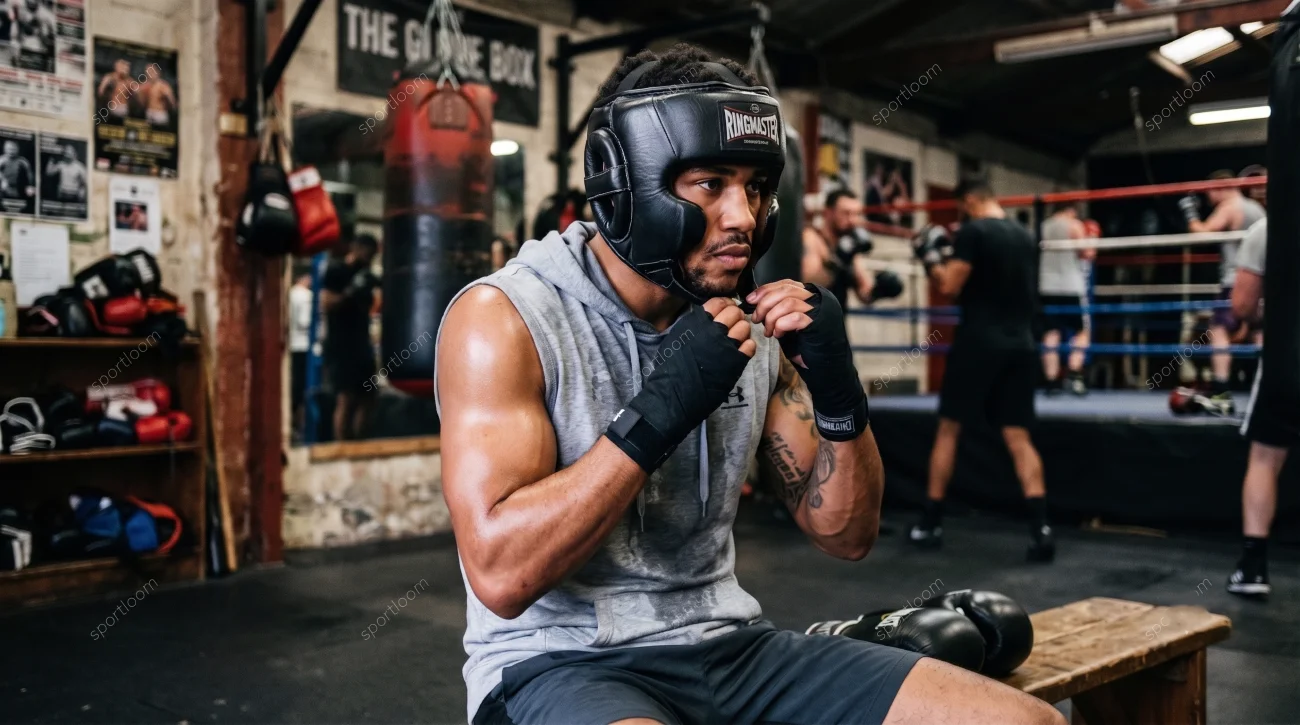
Do You Need Headgear for Boxing?
You do not need boxing headgear for bag work, pad work, shadowboxing, or most technique drills. You usually do need it for sparring if your coach or gym requires it.
That sounds simple, but beginners often receive mixed advice. One person says headgear is essential. Another says it gives false confidence. Someone else points out that professional boxers compete without it.
The confusion comes from treating every type of boxing training as if it were the same. Hitting a heavy bag is not sparring. Light technical sparring is not a fight. Amateur competition rules are not the same as professional boxing rules.
Headgear has a useful job: it can reduce cuts, bruising, and direct damage to areas such as the forehead, cheeks, ears, and nose, depending on the design. What it cannot do is make repeated punches to the head harmless.
This guide explains when boxing headgear is necessary, when it is unnecessary, what protection it realistically provides, and how beginners should decide whether to buy one.
Quick Answer: When Do You Need Boxing Headgear?
You generally need headgear for sparring when your gym or coach requires it. You do not need it for heavy bag work, mitts, shadowboxing, conditioning, or ordinary technique practice. Headgear helps reduce cuts and some facial injuries, but it should not be treated as concussion-proof protection.
- Heavy bag: no headgear needed.
- Focus mitts and pads: usually no headgear needed.
- Shadowboxing: no headgear needed.
- Partner drills without head contact: usually no headgear needed.
- Technical sparring: follow your coach and gym rules.
- Regular or harder sparring: headgear is commonly required and strongly practical.
- Competition: use whatever equipment the sanctioning organization requires for your age and division.
The most important point is this: wearing headgear is not permission to spar harder. Good coaching, controlled intensity, defensive skill, suitable gloves, and a responsible partner matter more than the thickness of the padding around your face.
What Boxing Headgear Actually Protects
Boxing headgear is most useful for protecting the surface of the head and face.
During sparring, small collisions add up. A glove can scrape an eyebrow. A hook can catch the ear. Two heads can collide while both boxers step forward. A nose can be hit even during a controlled round.
A properly fitted headguard can help with:
- Reducing cuts around the eyebrows and forehead
- Limiting bruising and swelling on covered areas
- Protecting the ears from direct contact
- Adding cheek or nose coverage, depending on the style
- Reducing some impact at the point where padding is struck
This matters in normal gym life. Most beginners are not only worried about a serious injury. They also do not want to arrive at work the next morning with a split eyebrow because a light sparring round became messy.
What usually happens is that beginners think more padding automatically means better overall safety. That is not always true. A bulky headguard can move, block peripheral vision, trap heat, and make it harder to see punches coming.
That is why fit and visibility are just as important as padding. Our guide to choosing boxing headgear explains how to balance coverage, vision, and stability.
For more entry-level options, compare the models in our best boxing headgear for beginners guide.
Does Boxing Headgear Prevent Concussions?
No boxing headguard can guarantee concussion prevention.
This is the limitation every beginner should understand before sparring. Padding can reduce some direct impact and is effective against cuts and surface injuries, but the brain can still move inside the skull when the head accelerates or rotates after a punch.
You can therefore wear high-quality headgear, feel less pain on the surface, and still take too many clean punches.
The dangerous beginner mistake is psychological. Headgear can make someone feel protected enough to accept harder rounds, stand in range too long, or ignore poor defense. The equipment then becomes part of the problem because it changes behavior.
Headgear protects your face better than it protects you from the consequences of repeated head movement. It should support controlled sparring, not justify harder sparring.
If a boxer develops headache, dizziness, confusion, unusual fatigue, balance problems, vision changes, nausea, or other concerning symptoms after a hit, training should stop and the person should be medically assessed. Do not put the headgear back on and try to “work through it.”
Do You Need Headgear for Different Types of Boxing Training?
Heavy Bag Training
You do not need headgear for heavy bag training because nothing should be striking your head.
Wearing it on the bag usually adds heat, limits comfort, and solves no real problem. Use the session to focus on stance, balance, breathing, and clean punching mechanics instead.
Focus Mitts and Pad Work
Most pad sessions do not require headgear. A competent coach or pad holder controls the drill and does not hit the boxer unexpectedly.
Some advanced drills include defensive returns, pool noodles, padded sticks, or light glove touches. Whether headgear is needed depends on the drill and the coach, not on pad work in general.
Shadowboxing and Footwork Drills
Headgear is unnecessary. It can even become a distraction when you are learning posture, vision, and relaxed movement.
Partner Drills
Partner drills vary. If both people are practicing jabs to the gloves, body-only combinations, distance, or defense without head contact, headgear may not be necessary.
Once punches are intentionally directed toward the head, even lightly, use the equipment and rules set by the coach.
Technical Sparring
Technical sparring should be controlled, but accidents still happen. Beginners mistime punches, close distance awkwardly, and become tense when contact starts.
Many gyms therefore require headgear even for light rounds. This is reasonable because technical sparring still exposes the face to gloves and accidental clashes.
Regular or Hard Sparring
For normal gym sparring, follow the coach’s requirement. In many gyms, headgear is standard once meaningful head contact is allowed.
The fact that a skilled professional sometimes spars without it does not create a useful rule for a beginner. Professionals have different experience, coaching, risk tolerance, and preparation. Your decision should be based on your gym, your level, and the purpose of the session.
Your Gym Rules Matter More Than Internet Arguments
A common mistake is buying equipment after watching debates online and only later asking the coach what the gym allows.
Gyms may have rules about:
- Whether headgear is mandatory for all sparring
- Which designs are allowed
- Whether face-bar models are acceptable
- Required glove weight
- How much experience is needed before sparring
- Whether beginners may spar at all
Competition rules also differ by organization, event, age, sex, and experience category. Do not assume that equipment seen in professional boxing applies to your amateur event.
Ask the coach before buying. One short conversation can prevent you from ordering an expensive headguard that does not match the gym’s rules or your actual type of sparring.
Should Beginners Wear Headgear for Boxing?
Beginners usually do not need to buy headgear on the first day because they should not be thrown directly into open sparring.
The first phase of boxing normally focuses on stance, guard, footwork, basic punches, conditioning, bag work, and controlled partner drills. Gloves and hand wraps will usually matter before headgear.
Buy headgear when sparring becomes part of your training plan and your coach confirms what you need.
This order prevents two common mistakes:
- Buying a cheap one-size headguard that slides over the eyes.
- Buying a premium full-face model before knowing whether you prefer more coverage or better visibility.
A beginner headguard should fit securely, stay clear of the eyes, protect the forehead and cheeks, and remain comfortable for several rounds. It does not need to be the most expensive model in the gym.
How Boxing Headgear Should Fit
A headguard that moves is not merely annoying. It can block vision at the exact moment you need to see a punch.
A correct fit should feel snug and stable without creating painful pressure points.
- The forehead padding should stay above the eyebrows.
- The cheek protectors should not push into your eyes.
- The chin strap should secure the headguard without choking or forcing the jaw upward.
- The rear adjustment should prevent rotation when the head moves.
- The ear openings should align correctly.
- You should be able to turn your head and look sideways without the headguard shifting.
Try simulating normal boxing movement after adjusting it. Bounce lightly, slip, roll, look left and right, and move your jaw. If the headgear slides before anyone has hit it, it will not improve once sparring starts.
Many beginners tighten the chin strap aggressively to compensate for the wrong size. That usually creates discomfort without fixing the real problem. Start with the manufacturer’s head-circumference chart, then use the adjustment system to fine-tune the fit.
You can compare it with other established models in our best boxing headgear for sparring review.
Open-Face, Cheek Protection, or Full-Face Headgear?
The right design depends on what you are trying to protect and what tradeoff you accept.
Open-Face Headgear
Open-face models generally offer the clearest vision and feel less restrictive. The tradeoff is less protection around the cheeks and nose.
Cheek-Protection Headgear
This is the practical middle ground for many boxing gyms. You get cheek and forehead coverage while maintaining a reasonably natural field of view.
Full-Face or Face-Bar Headgear
These models provide more coverage around the nose and front of the face. They can make sense for someone protecting a sensitive nose or trying to reduce direct facial contact.
The disadvantage is bulk. Depending on the model and your face shape, the bar or thick cheek padding may affect vision and distance perception.
Our detailed open-face vs full-face headgear comparison explains which style makes more sense for different sparring priorities.
Common Headgear Mistakes Beginners Make
Believing More Padding Means No Risk
Thick padding can reduce cuts and soften some contact, but it does not cancel the movement of the head after a punch.
Sparring Harder Because You Feel Protected
This is the most important mistake to avoid. The correct intensity should be decided before the round, not increased because both people are wearing equipment.
Choosing a Headguard That Blocks Vision
If you cannot see hooks or uppercuts clearly, you may absorb more punches. Protection that creates large blind spots can become counterproductive.
Ignoring Fit
A respected brand does not help if the size is wrong. Head shape varies, and two models with the same labeled size can fit differently.
Using Headgear Instead of Learning Defense
The goal is still to avoid clean punches. Keep your eyes open, maintain your guard, control distance, and listen to your coach.
Forgetting the Rest of the Sparring Setup
Suitable sparring gloves and a mouthguard are part of the same safety system. Headgear alone is not enough. See our boxing gloves for sparring guide when you are building a complete setup.
When Should You Buy Your Own Headgear?
Buy your own headgear when you know sparring will become a regular part of your training.
Borrowing gym equipment once can help you understand how different designs feel, but a personal headguard is better for hygiene, consistent fit, and reliable adjustment.
Before ordering, ask yourself:
- Does my gym require headgear?
- What style does my coach recommend?
- Am I doing light technical rounds or regular sparring?
- Do I care more about vision or maximum facial coverage?
- Does the model come in a size that matches my head circumference?
- Can I return it if the shape does not fit?
For occasional beginner sparring, a sensible mid-priced model is usually enough. For frequent rounds, paying more for stable fit, comfort, and visibility can be worthwhile because those qualities affect every minute you wear it.
Frequently Asked Questions
Do you need headgear to start boxing?
No. Beginners usually start with stance, technique, bag work, pads, and conditioning. Buy headgear when your coach says you are ready to begin sparring.
Do you need headgear for boxing sparring?
Many gyms require it, especially for beginners and regular sparring. Follow your coach’s rules. Even when worn, sparring intensity should remain controlled.
Does boxing headgear stop concussions?
No. It can reduce cuts, bruising, and some direct facial impact, but it cannot guarantee protection from concussion or repeated head acceleration.
Why do professional boxers not wear headgear in fights?
Professional competition uses different rules from gym sparring and amateur divisions. What professionals wear in a sanctioned fight should not determine what a beginner uses in training.
Do you need headgear for the heavy bag?
No. The heavy bag does not strike your head, so headgear adds heat and discomfort without providing a practical benefit.
Is full-face headgear safer?
It offers more facial coverage, particularly around the nose, but may be bulkier and reduce visibility. It is not automatically the best choice for every boxer.
How tight should boxing headgear be?
It should feel snug enough not to rotate or slide over your eyes, but it should not create painful pressure, restrict breathing, or force the jaw into an unnatural position.
Can I use gym headgear?
You can use it temporarily if the gym allows it and the fit is correct. For regular sparring, your own headgear is usually better for hygiene and consistent adjustment.
Final Answer: Do You Really Need Headgear for Boxing?
You need headgear when the type of training and the rules require it—not simply because you are doing boxing.
For heavy bag work, mitts, shadowboxing, fitness classes, and non-contact drills, you do not need it.
For sparring, it is a practical piece of equipment that can reduce cuts, bruising, and facial damage. It should fit securely, preserve your vision, and match the kind of rounds you actually do.
Just keep the limitation clear: headgear does not make hard or careless sparring safe. A responsible partner, controlled pace, good gloves, defensive skill, and a coach who stops bad rounds matter more.
Ask your coach before buying, choose fit over marketing, and treat headgear as useful protection—not armor.
Related Articles and Reviews
Check it now