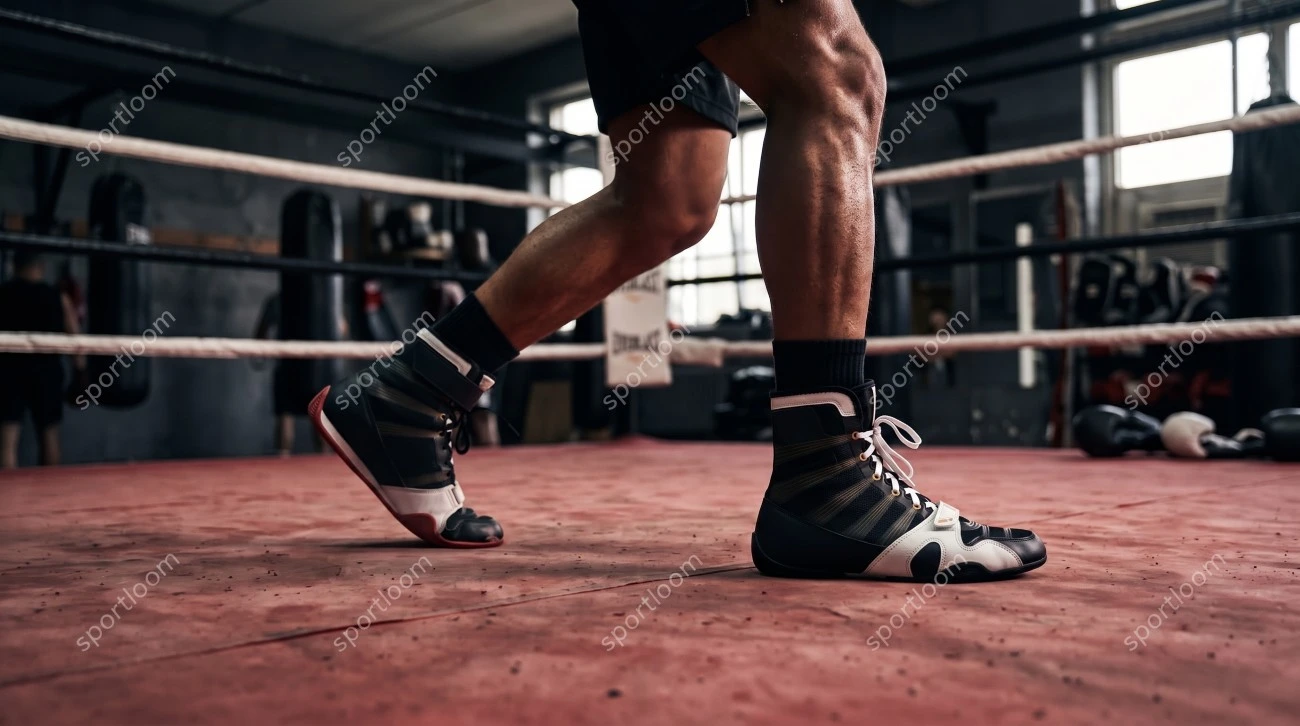
The best boxing shoe brands are Adidas, Nike, Everlast, Hayabusa, Rival, and Venum, but they are not interchangeable. Adidas is the safest all-around starting point because its boxing lineup covers beginner-friendly shoes, performance models, and even a dedicated wide option. Nike is the premium performance choice for boxers who want a light, locked-in competition feel. Everlast stands out for practical training shoes and value, while Hayabusa is especially strong for support and comfort. Rival deserves attention from boxers who prefer a boxing-specialist brand, and Venum offers a modern athletic alternative.
The important part is not finding the brand with the biggest logo. It is matching the brand's usual fit, sole design, support, and price range to the way you actually train. A great boxing shoe that is too narrow, too grippy, or too stiff for your footwork can feel worse than a cheaper model that fits correctly.
If you are still deciding what type of shoe you need, start with our boxing shoe buying guide. This page focuses on the brands themselves: what each one does well, where the tradeoffs are, and which type of boxer should look at each lineup first.
Quick Comparison: Best Boxing Shoe Brands
| Brand | Best for | Typical character | Models to know | Main tradeoff |
|---|---|---|---|---|
| Adidas | Best overall | Light, boxing-specific, broad lineup | Box Hog 4, Speedex 23, Speedex Ultra | Some performance models can feel snug |
| Nike | Premium / competition feel | Light, responsive, locked-in | Machomai, HyperKO 2 | Premium pricing and narrow-fit concerns |
| Everlast | Training and value | Supportive, practical, durable-minded | PIVT, Elite High Top, Powerlock X-Trainer | Some models feel more training-oriented than minimalist |
| Hayabusa | Support and comfort | Structured, secure, modern | Pro, Talon, Strike | Usually not the lightest or cheapest route |
| Rival | Boxing-specialist design | Technical, lightweight, gym-focused | RSX-Genesis line | Smaller footwear lineup than Adidas or Nike |
| Venum | Modern athletic option | Agile, supportive, combat-sports styling | Elite Boxing Shoes | Less footwear depth than the category leaders |
| TITLE | Budget beginners | Simple, accessible, functional | Speed-Flex Encore | Less refined than premium shoes |
Best Overall Boxing Shoe Brand: Adidas
Adidas is the easiest boxing footwear brand to recommend to the widest range of boxers because it treats boxing shoes as a real category rather than a one-model side project. The current lineup spans the familiar Box Hog family, the more performance-oriented Speedex range, and a dedicated Box Hog Wide. That breadth matters: beginners and experienced amateurs are not forced into the same shoe.
The Box Hog has become a recognizable gym shoe because it follows a straightforward boxing formula: lightweight upper, thin sole, enough grip to plant, and enough flexibility to move without feeling like a court shoe. For someone buying a first dedicated pair, that simplicity is a strength. You can focus on stance and footwork instead of adapting to an unusually aggressive sole.
Higher in the lineup, Speedex models make more sense for boxers who already know they value fast pivots, a close-to-the-canvas feel, and a more performance-focused fit. Adidas also has one advantage that is surprisingly uncommon in boxing footwear: a clearly identified wide version. If standard boxing boots squeeze your forefoot, see our best boxing shoes for wide feet.
Who should start with Adidas? Beginners who want a proven boxing-specific shoe, amateurs who want several performance levels within one brand, and anyone who wants more choice in fit than most boxing brands provide.
For a first pair, the Box Hog 4 is the logical place to look. It is less of a specialist purchase than the more expensive Speedex models and fits the needs of normal gym training well.
If low weight is your main priority, compare it with the options in our best lightweight boxing shoes guide.
Best Premium Boxing Shoe Brand: Nike
Nike has a smaller boxing footprint than its enormous presence in mainstream footwear might suggest, but its best-known boxing shoes have a strong identity. The Machomai line is associated with a light, traditional boxing feel, while the HyperKO family pushes toward a more engineered, locked-in performance shoe.
That makes Nike especially attractive to boxers who already understand what they want underfoot. If your style depends on quick entries, exits, pivots, and staying light rather than feeling heavily planted, Nike belongs near the top of the shortlist. The HyperKO 2 is the obvious premium example: it uses a sock-like upper and a high, close fit that feels very different from a basic entry-level boxing boot.
The limitation is fit and price. A premium shoe is not automatically a better first shoe. Boxing footwear should be secure, but painfully compressed toes will not improve your footwork. Boxers with wider feet should be particularly careful with sizing and may be better served by Adidas Wide, Hayabusa, or another roomier option.
Best for: amateur competitors, experienced gym boxers, and mobile fighters who prioritize a close, responsive performance feel. Less ideal for: budget buyers and anyone who already struggles with narrow athletic footwear.
If you are unsure whether a high or low profile suits your movement, read high-top vs low-top boxing shoes before choosing.
Best Boxing Shoe Brand for Beginners: Everlast
Everlast is one of boxing's oldest and most recognizable names, but its footwear is interesting for a more practical reason: the brand offers shoes that make sense for people who train like normal gym members rather than only for competition night. Models such as the PIVT, Elite High Top, and Powerlock X-Trainer cover low-top movement, supportive high-top training, and hybrid gym use.
That range can be useful for beginners because many new boxers do not spend an entire session on pristine canvas. They warm up, hit the bag, do pads, strength work, and move around a normal gym floor. A slightly more substantial training shoe can be easier to live with than an ultra-minimal competition boot.
Everlast is therefore less about having one iconic shoe and more about giving buyers several sensible routes into boxing footwear. The PIVT is the faster, lower option; the Elite High Top suits boxers who like more structure around the ankle; and the Powerlock X-Trainer is aimed at mixed training rather than pure ring specialization.
For a new boxer, I would still choose fit before brand loyalty. A beginner often assumes that more ankle material automatically means more support, but the heel must also stay locked and the sole must let you pivot naturally. Our best boxing shoes for beginners guide goes deeper into those tradeoffs.
Best Boxing Shoe Brand for Support: Hayabusa
Hayabusa is a newer name than Adidas, Nike, or Everlast, but it has built a clear identity around structured combat-sports equipment. Its boxing footwear follows the same logic. The Pro, Talon, and Strike are not stripped-down old-school boots; they emphasize secure fit, heel lockdown, supportive uppers, and comfort for repeated gym sessions.
That makes Hayabusa particularly relevant to boxers who dislike the almost sock-like feel of very light boxing shoes. The Pro Boxing Shoes use a mid-height construction and cushioned insole, while the Talon moves toward a supportive mid-high design. The Strike adds an ankle strap to its lace system for adjustable lockdown.
There is a tradeoff. More structure can mean a little more shoe around your foot, and boxers chasing the lightest possible setup may prefer Nike or Adidas. But if your priority is feeling stable when planting for hooks, changing direction, or doing long bag sessions, Hayabusa deserves serious consideration.
For more support-focused options, see our best boxing shoes for ankle support.
Best Boxing-Specialist Footwear Brand: Rival
Rival is different from Nike and Adidas because boxing is the center of the brand, not one sport among many. That specialization is part of the appeal. The RSX-Genesis line is designed for boxing footwork, with lightweight construction, a reinforced heel, and an outsole intended to balance traction with movement.
Rival makes the most sense for a boxer who already buys boxing-specific gear and wants the same philosophy in footwear. The RSX-Genesis 3 is a relatively low, mobile boot rather than a tall traditional design, so it suits boxers who value ankle freedom and quick changes of direction.
The main limitation is selection. Rival does not give you the same depth of footwear choices as Adidas, and it does not have Nike's global shoe ecosystem. That is not necessarily a problem if the RSX shape suits your feet, but it gives you fewer fallback options inside the brand when it does not.
Who should buy Rival? Boxers who want a purpose-built boxing brand, prefer a lower and more mobile boot, and care more about ring-specific design than having a huge model range.
Best Modern Alternative: Venum
Venum is best known across combat sports rather than boxing alone, but the Venum Elite Boxing Shoes give the brand a legitimate place in this discussion. The design uses a light athletic profile, mesh ventilation, and a boxing-oriented sole rather than simply repurposing a generic gym shoe.
Venum is a good alternative when you want something between old-school boxing boots and highly specialized premium footwear. The Elite works well for amateur training, sparring, and footwork-focused sessions, and its mid-range positioning can make more sense than jumping straight to a HyperKO 2.
The weakness is depth. Adidas can move you from Box Hog to Speedex, and Hayabusa now has several distinct boxing models. Venum's footwear identity is narrower. If the Elite fits you, that may not matter; if it does not, there are fewer obvious alternatives within the same brand.
Best Budget Boxing Shoe Brand: TITLE Boxing
TITLE earns a place here because not every beginner should spend $150–$250 on a first pair of boxing shoes. The Speed-Flex Encore is a straightforward mid-top shoe aimed at boxing training without premium pricing. That makes TITLE useful for beginners who want to stop training in running shoes but are not yet ready to invest heavily.
You should keep expectations realistic. Budget shoes generally do not give you the same refined upper, weight, outsole feel, or long-term finish as premium models. But a proper lightweight boxing shoe can still be a major improvement over a thick running shoe that catches during pivots.
If price is the deciding factor, compare TITLE with the choices in our best boxing shoes under $100. Wrestling shoes can also work as a lower-cost alternative, but the movement feel is not identical; we explain the difference in boxing shoes vs wrestling shoes.
What About ASICS and Wrestling-Shoe Brands?
ASICS deserves a mention because many boxers use wrestling shoes, especially when price, availability, or wide sizing is more important than having a boxing label. Models such as the Matflex 7 are light and flexible, and the Snapdown 4 Wide can solve a problem that boxing brands often ignore: genuinely wide feet.
I would not rank ASICS as the best boxing shoe brand because boxing footwear is not its primary category. But for a beginner training recreationally, a well-fitting wrestling shoe can be a better purchase than a badly fitting boxing boot. The sole is usually designed for more multidirectional grip, so you need to make sure it does not feel too sticky when pivoting on your gym surface.
How We Ranked the Best Boxing Shoe Brands
This ranking is based on the usefulness of the brand's boxing footwear lineup, not on one famous athlete wearing a shoe or on a single Amazon rating. We looked at the factors that matter across multiple models:
- Boxing-specific design: thin sole, controlled traction, pivoting, and close ground feel.
- Lineup depth: whether the brand offers meaningful choices rather than one isolated model.
- Fit options: especially the ability to serve beginners, narrow feet, or wider feet.
- Training relevance: whether the shoes make sense for real bag work, pads, sparring, and footwork sessions.
- Price spread: whether the brand offers value at the level it targets.
- Reputation in boxing: long-term visibility in gyms and the presence of recognizable boxing-specific models.
We do not assume that a more expensive shoe is automatically better. A $200 shoe that does not fit your foot shape is a bad boxing shoe for you.
How to Choose the Right Boxing Shoe Brand
Start with fit, not reputation
Your heel should stay secure, your toes should not be crushed, and the shoe should feel close enough to the foot that it moves with you. If you are constantly thinking about pressure on the outside of your forefoot, the brand's reputation is irrelevant. Read how boxing shoes should fit before ordering.
Choose the sole for your movement
Boxing needs grip, but not maximum grip. You want to plant when punching and still release the foot when pivoting. Very sticky soles can make beginners twist at the knee instead of turning smoothly on the ball of the foot.
Do not confuse a high top with automatic ankle protection
A taller upper can feel more secure, but heel lockdown, lacing, fit, and your own ankle strength matter too. Choose high tops because you like the supported feel, not because you expect the shoe to fix unstable movement.
Match the shoe to the gym
If you train only on canvas, a light boxing-specific sole makes sense. If your sessions mix bags, mats, strength work, and general gym flooring, a slightly more durable training-oriented model may be more practical. Running shoes, however, are usually a poor compromise because their thick cushioned soles are built for forward running rather than boxing pivots. See can you use running shoes for boxing?
Think about replacement cost
Boxing shoes wear through the outsole and flex points before many people expect, especially when used outside the ring. If you train several times per week, durability can matter more than saving 50 grams. Our guides to how long boxing shoes last and when to replace boxing shoes explain the warning signs.
Which Boxing Shoe Brand Should You Choose?
| Your priority | Brand to start with | Why |
|---|---|---|
| First dedicated boxing shoes | Adidas | Easy entry point and several boxing-specific models |
| Premium competition feel | Nike | Light, responsive, performance-focused footwear |
| General gym training | Everlast | Practical mix of boxing and training-oriented designs |
| Ankle support / structured feel | Hayabusa | Secure uppers, heel lockdown, supportive designs |
| Boxing-specialist brand | Rival | Focused boxing identity and mobile RSX designs |
| Modern mid-range alternative | Venum | Athletic boxing shoe without top-tier pricing |
| Lowest sensible budget | TITLE | Accessible dedicated boxing footwear |
| Wide-foot budget alternative | ASICS | Wrestling models offer useful wide sizing |
Frequently Asked Questions
What is the best boxing shoe brand overall?
Adidas is the best overall starting point for most boxers because it has a deep boxing-specific lineup, including beginner-friendly Box Hog models, higher-performance Speedex shoes, and a wide-fit option. Nike may be a better premium choice, while Hayabusa can make more sense if support is your priority.
What boxing shoe brand is best for beginners?
Adidas and Everlast are the easiest brands to recommend to beginners. Adidas offers a traditional boxing feel through the Box Hog line, while Everlast has practical training-focused options at approachable prices.
Are Nike or Adidas boxing shoes better?
Neither is universally better. Nike is particularly strong for lightweight, locked-in premium footwear such as the HyperKO 2 and Machomai. Adidas offers more lineup depth and easier entry points, so it is often the safer brand for a first pair.
Which boxing shoe brand is best for wide feet?
Adidas is one of the strongest choices because it offers the Box Hog Wide. Hayabusa models can also be worth considering depending on your foot shape. For very wide feet, some ASICS wrestling shoes are available in dedicated wide sizing.
Which brand makes the best boxing shoes for ankle support?
Hayabusa is a strong place to start because several of its boxing shoes use structured mid-height or mid-high uppers and secure heel lockdown. Everlast also offers supportive high-top choices. Fit remains more important than collar height alone.
Do professional boxers use Nike and Adidas boxing shoes?
Yes. Both brands have a long presence in amateur and professional boxing. However, seeing a professional wear a particular shoe does not mean that model will suit your foot shape, budget, or training surface.
Is Venum a good boxing shoe brand?
Yes. Venum's Elite Boxing Shoes are a legitimate boxing-specific option with a lightweight athletic design. The main reason Venum ranks below Adidas or Nike here is lineup depth, not because the Elite is unsuitable for boxing.
Can I use wrestling shoes instead of boxing shoes?
Yes, especially for beginner training. Wrestling shoes are light, flexible, and often cheaper. Their soles can provide more multidirectional grip than boxing shoes, though, so dedicated boxing footwear usually feels more natural for pivots and ring movement.
Final Verdict
For most people, Adidas is the best boxing shoe brand to start with. The lineup is broad enough to cover first-time buyers, serious amateurs, and wider feet without making you switch brands immediately as your needs change.
Choose Nike if you want a premium, lightweight competition feel. Look at Hayabusa if support and a structured fit matter most. Everlast is particularly practical for regular gym training, Rival appeals to boxers who want a specialist boxing brand, and Venum is a solid modern alternative. If budget is tight, TITLE or a well-fitting wrestling shoe can get you into proper footwork without forcing a premium purchase.
The brand narrows the search. The fit makes the final decision. Once you have two or three models in mind, compare them by foot shape, sole feel, training surface, and how much support you actually want—not by logo alone.
Related Articles and Reviews
Check it now